
Private Dog Training Methods in Michigan
Dog owners facing challenging behavior issues can benefit from focused, results-driven support through private dog training. At Michigan Dog Training in Plymouth Michigan, private one-on-one lessons are designed by seasoned professionals to address everything from early puppy development to complex aggression cases.
A private dog training is perfect for your high-energy Australian Shepherd, an anxious Rottweiler, or a reactive German Shepherd. This structured training programs offered at the facility deliver lasting transformation based on decades of proven experience.
One-on-One Lessons at the Michigan Dog Training Facility
Private lessons provide focused attention and personalized strategies that are often more effective than group classes, especially for dogs with complex behavioral needs. These sessions are tailored to address specific challenges such as leash reactivity, poor impulse control, or fear-based responses.
Each session takes place at the Michigan Dog Training professional facility in Metro Detroit, a setting intentionally designed to offer controlled distractions. This environment allows for steady progress, enhanced communication between dog and handler, and consistent behavior outcomes that translate to success at home, in public spaces, and beyond.
Proven Private Dog Training Methods
Every dog is different, and effective training must take breed, temperament, energy level, and learning history into account. At Michigan Dog Training, our certified professionals apply extensive knowledge of ethology, behavior science, and hands-on experience to craft individualized solutions that meet your dog’s unique needs. Our training blends classic ethology with modern behavior science and over 25 years of experience.
Top Private Dog Training Techniques Used in Michigan
We use a combination of evidence-based approaches rooted in animal training and psychology:
| Training Technique | Description |
|---|---|
| Positive Reinforcement | Rewarding desired behaviors to encourage repetition |
| Behavior Modification | Restructuring responses to triggers (fear, aggression, anxiety) |
| Clicker Training | Marking behavior precisely using a sound before offering a reward |
| Desensitization & Counterconditioning | Gradual exposure to triggers paired with positive experiences |
| Crate & Housebreaking Systems | Structured routines for potty training and indoor calm |
These methods are adapted based on each dog’s breed, temperament, and training objectives.
How Positive Reinforcement Builds Obedience
Using rewards such as treats, toys, or praise increases a dog’s motivation to demonstrate desirable behavior. This approach is especially effective for toilet training, leash manners, and agility foundations. It also builds confidence in shy or fearful dogs, helping turn stress into trust.
Behavior Modification Strategies for Common Issues
Behavior problems often stem from anxiety, stress, fear, or lack of communication. Our trainers focus on:
- Dog aggression toward people or other animals
- Barking and reactivity on the leash
- Separation anxiety
- Jumping, biting, and destructive behavior
We implement techniques that not only address symptoms but get to the root of the problem, improving long-term quality of life.
Custom Training Plans for Different Breeds and Ages
Every breed brings different instincts and energy levels. A working-line German Shepherd won’t respond the same way a laid-back mixed breed might. Puppies need different support than adult dogs. For example, puppy training classes focus on early socialization and foundational skills, while adult dog sessions may target more advanced behavior issues. We tailor each plan for:
- Breed-specific traits and temperament
- Age and life stage
- Energy level and motivation
- Past training experience
Why Choose Private Lessons at a Professional Facility
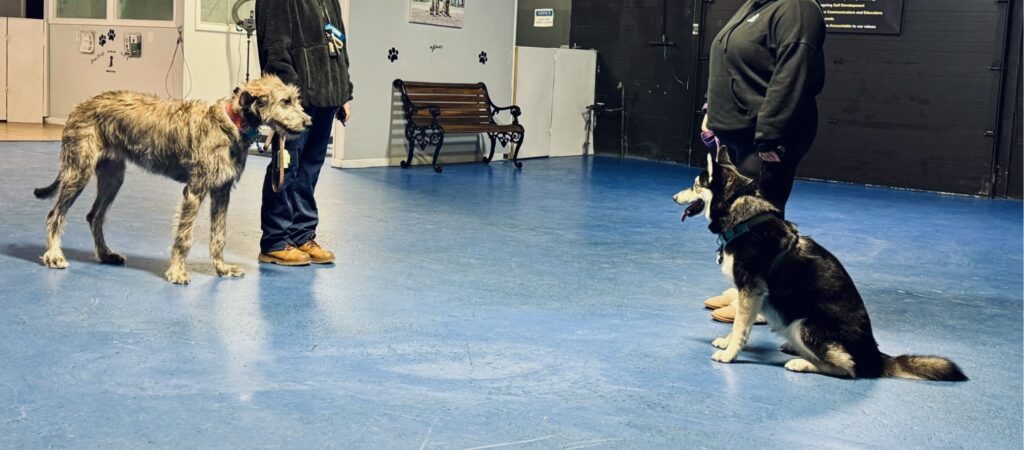
Choosing the right environment can be the difference between progress and plateaus, particularly when working with dogs that exhibit anxiety, reactivity, or aggression. A structured training facility offers professional tools, experienced supervision, and a calm yet purposeful atmosphere—all of which are essential in helping dogs learn effectively. This kind of setting provides consistency, promotes positive associations, and allows for guided exposure to controlled stimuli, which ultimately enhances learning outcomes and supports the long-term success of behavior modification programs.
Benefits of On-Site One-on-One Training
- Controlled distractions allow for focused learning
- Safe environment for reactive dogs or puppies still learning boundaries
- Expert tools and setups for crate training, dog agility, and leash skills
How a Controlled Environment Improves Focus and Results
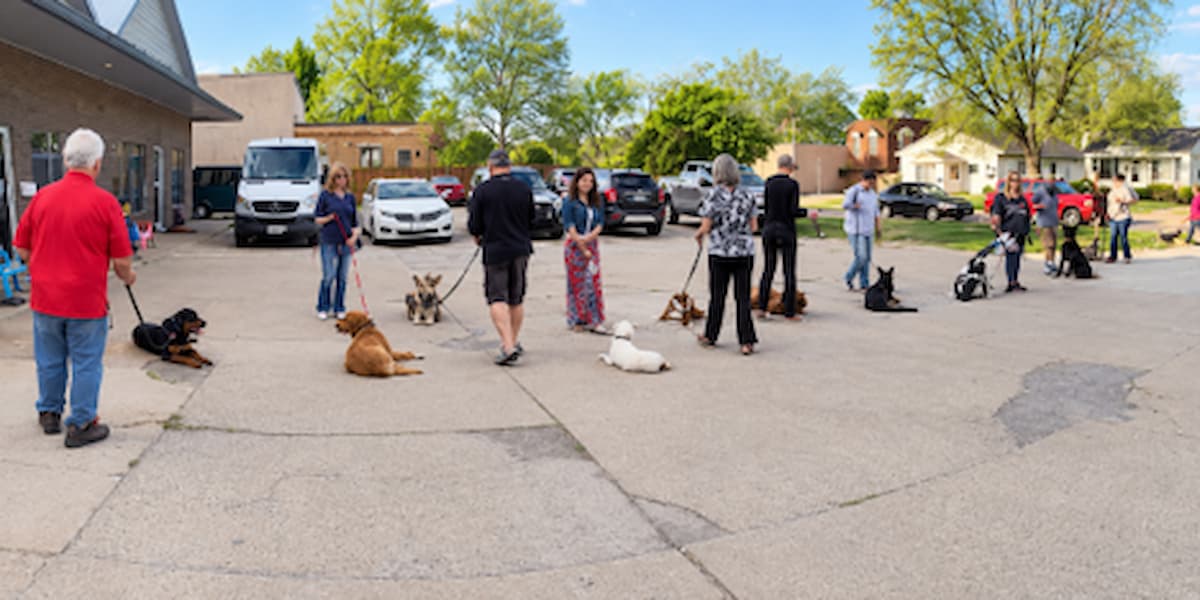
Our indoor and outdoor training spaces are purpose-built to replicate real-life scenarios while maintaining trainer control over key stimuli. This allows us to create tailored training environments for everything from leash reactivity to polite public behavior—ensuring your dog gains the confidence and skills to succeed in the real world.
Common Behavior Issues Addressed
Many dog owners seek help when challenges begin to interfere with daily routines, household harmony, or safety. Whether it’s persistent barking, leash pulling, or reactive behavior during walks, these issues can quickly become emotionally and physically draining. Michigan Dog Training’s private programs are designed to address these problems at the root, restoring calm, structure, and trust. By building a foundation of clear communication and mutual respect, the training process helps dog owners experience not just improvement, but a more enjoyable and cooperative relationship with their canine companions.
Obedience Issues Solved Through Private Training
- Ignoring commands
- Pulling on the leash
- Not coming when called
- Overexcitement around guests or during walks
How Private Sessions Help Manage Aggression
The training team conducts a thorough evaluation to determine the root cause of the dog’s aggressive behavior—whether it stems from fear, territoriality, confusion, or a combination of factors. Based on this assessment, they implement a behavior modification plan that prioritizes safety, clarity, and confidence-building.
Strategies may include structured counterconditioning, reinforcement of calm behaviors, clear communication through body language and leash cues, and careful management of environmental triggers. The goal is to create lasting change by helping dogs feel more secure and less reactive—without relying on punishment or fear-based methods.
Reducing Anxiety and Fear With Individualized Attention
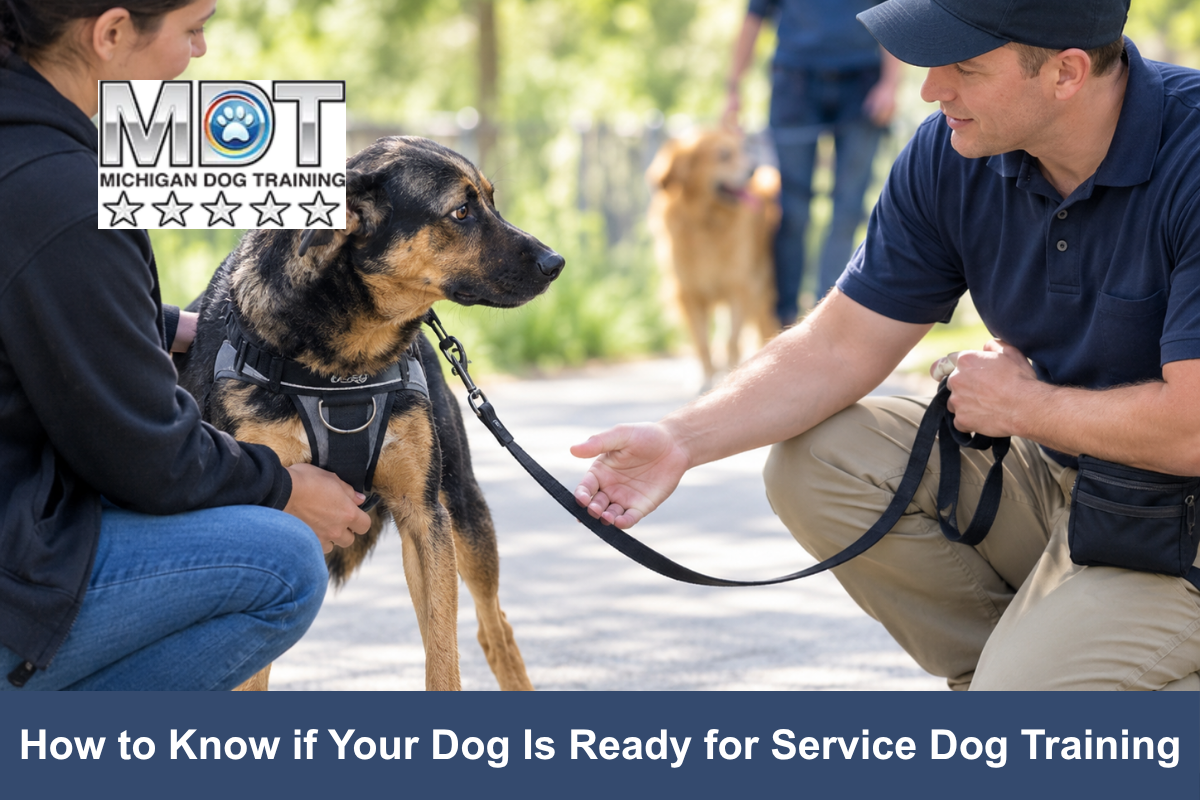
From mild phobias to severe panic, the private training program fosters a sense of security and trust between the dog and handler. Many therapy dogs and assistance dogs begin their journey with these foundational techniques that help reduce stress and anxiety.
Key strategies for reducing fear and anxiety in dogs include:
- Gradual desensitization to triggers such as unfamiliar people, noises, or environments
- Counterconditioning to replace fearful responses with positive associations
- Controlled exposure in a safe training space that supports confidence-building
- Use of clear communication techniques such as consistent cues and calm body language
- Positive reinforcement to reward calm behavior and reduce panic responses
- Structured routines that provide predictability and reduce stress in daily life
By applying these methods, Michigan Dog Training helps anxious and fearful dogs gain the confidence needed to thrive in new situations and become more resilient companions.
Fixing Destructive Behaviors Through Focused Plans
Chewing furniture, digging, or excessive barking are often signs of unmet needs. We offer:
| Destructive Behavior | Underlying Cause | Training Focus |
|---|---|---|
| Excessive Chewing | Teething, boredom | Redirection, crate training, dog walking |
| Barking at windows | Territorial instincts | Desensitization, reinforcement, body language |
| Digging in the yard | Energy surplus, anxiety | Structured exercise, confidence-building |
Michigan-Specific Considerations
Training dogs in Michigan comes with unique challenges and advantages that can significantly influence a dog’s behavior, responsiveness, and adaptability. These regional considerations include:
- Harsh winter weather that affects housebreaking routines, leash walking, and outdoor training schedules
- Urban environments in Metro Detroit where leash manners, noise desensitization, and socialization are essential
- Seasonal temperature changes that impact a dog’s energy level, behavior triggers, and activity needs
- Common regional breeds such as German Shepherds and Australian Shepherds, which require breed-specific strategies for behavior modification and obedience
- Local leash laws and dog bite regulations that impact how and where dogs can be exercised
- Dog park culture and local expectations that influence off-leash readiness and recall skills
An experienced trainer with a deep understanding of these regional nuances is essential for crafting training plans that work in the real world—whether it’s for puppies in early development or adult dogs needing behavior rehabilitation.
How Local Expertise Enhances Dog Training Outcomes
Our team has deep roots in Michigan’s dog-owning community and decades of local experience. From managing housebreaking during icy winters to navigating dog park etiquette and breed-specific tendencies common in Metro Detroit, our knowledge of local conditions enhances every training plan we deliver.
Popular Dog Breeds in Michigan and Their Unique Training Needs
Some breeds are more common across Michigan, including:
- German Shepherds: loyal but often reactive if untrained
- Labrador Retrievers: friendly but need leash work
- Australian Shepherds: smart but high-energy
- Rottweilers: confident, require strong leadership
Local Resources That Support Your Dog’s Continued Progress
- Metro Detroit dog parks and trails
- Canine Good Citizen (CGC) testing locations
- Local dog agility clubs and therapy dog associations
Getting Started With Private Training Sessions
Whether addressing a puppy’s early socialization needs or an older dog’s fear-based aggression, starting private training requires a strong commitment to long-term improvement.
How to Prepare for Your First Visit
- Bring vet records and vaccination proof
- Feed a light meal beforehand
- Let your dog relieve themselves before arriving
What to Expect During Your Initial Consultation
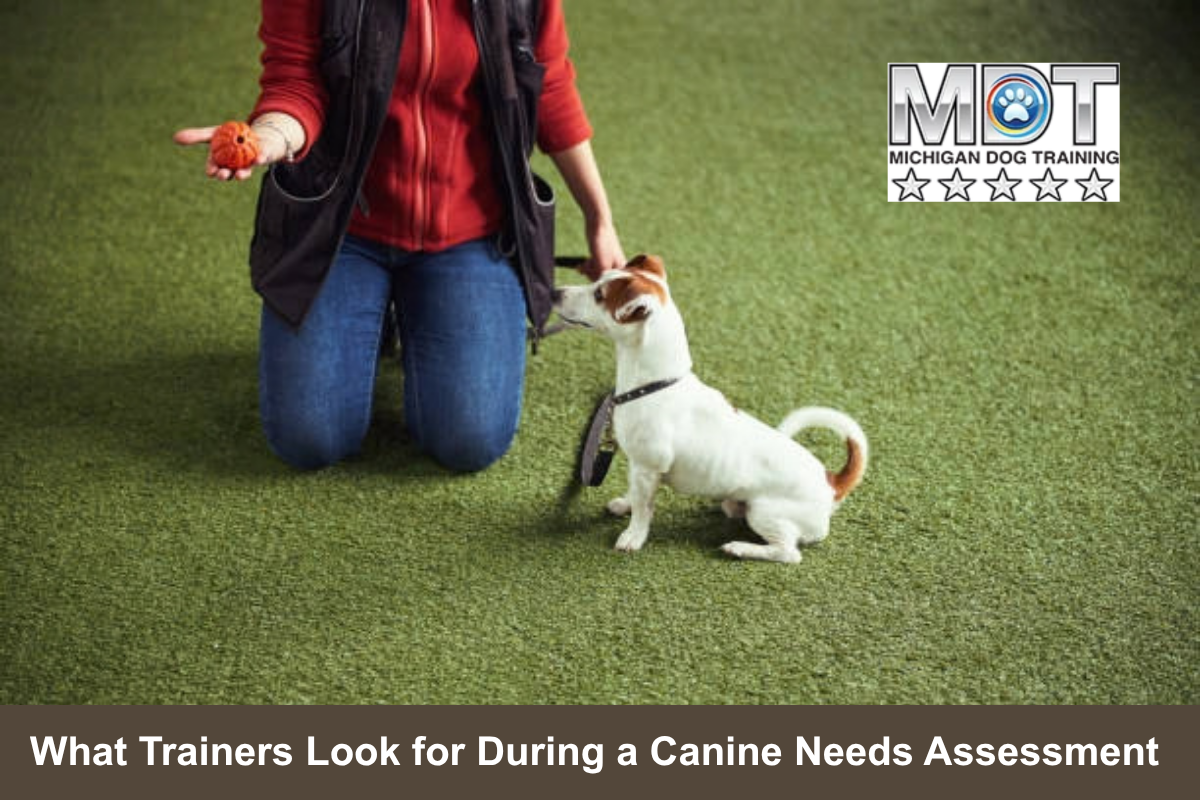
Your trainer will evaluate your dog’s temperament, body language, history, and energy level during the initial consultation. You’ll set training priorities together.
Setting Goals and Communicating With Your Trainer
Open communication contributes to improved outcomes. Trainers gather information about the owner’s lifestyle, routines, and challenges in order to customize the training experience effectively.
What to Bring to Your Private Training Session
- 4-6 foot leash (no retractables)
- Flat collar or recommended dog collar type
- Treats or toys your dog finds motivating
- Notebook or phone to jot down instructions
Continued Progress and Support
Training is not a one-time event—it’s a strategic journey toward lasting behavior change. At Michigan Dog Training, we help clients build habits and routines that support long-term success. Whether it’s reinforcing recall, troubleshooting new behaviors, or prepping your dog for therapy or service roles, our support doesn’t stop after the first session.
Follow-Up and Progress Tracking at Michigan Dog Training
Progress is continuously measured through detailed tracking of obedience milestones, handler-dog communication, and reduction in stress-related behaviors. Trainers observe changes in key areas such as leash response, recovery time after a trigger, and overall confidence in new environments.
Regular feedback sessions and milestone assessments help ensure the training remains effective and aligned with long-term goals. This structured monitoring system allows adjustments to be made quickly, ensuring that both the dog and owner stay on a clear, results-oriented path forward.
Adjusting the Training Plan as Your Dog Grows
Dogs evolve as they mature, experience new environments, or encounter lifestyle changes. That’s why Michigan Dog Training revisits each client’s goals regularly to assess current progress and identify any new challenges or opportunities. This adaptive approach ensures training stays relevant and effective.
Trainers evaluate factors such as increased independence, shifting social dynamics, health concerns, and energy levels to fine-tune strategies. Whether transitioning from basic obedience to off-leash reliability or modifying routines for senior dogs, the training evolves alongside the dog’s development.
For those ready to tackle behavior challenges and unlock their dog’s full potential, Michigan Dog Training offers the expertise, facility, and compassionate care necessary for lasting success.
Call (734) 634-4152 or visit www.michigandogtraining.com to schedule a private consultation and take the first step toward a more balanced and confident companion.