Every dog should learn essential commands like sit, stay, come, leave it, and drop it to improve safety, obedience, and everyday behavior. Private dog training helps dogs master these skills through personalized guidance, consistent practice, and positive reinforcement.
Introduction
Teaching your dog essential commands is one of the best ways to improve obedience, safety, and communication. Commands like sit, stay, come, leave it, and drop it help dogs behave appropriately in everyday situations. However, every dog learns differently, and some may need extra guidance to master these skills. That is where private dog training becomes valuable. Through personalized instruction, dogs receive focused attention based on their behavior, personality, and learning pace. Additionally, private training helps owners understand effective techniques and build consistent routines. With patience, positive reinforcement, and professional support, you can help your dog become a confident, well-behaved companion.
1. Start With Your Dog’s Name and Attention
Before introducing complicated commands, teach your dog to recognize their name and focus on you. This simple skill creates the foundation for effective communication. Say your dog’s name in a friendly voice, reward them when they look at you, and gradually practice around mild distractions. Consistent attention makes future training easier because your dog learns to check in with you before reacting to the environment.
2. Teach “Sit” for Better Everyday Manners
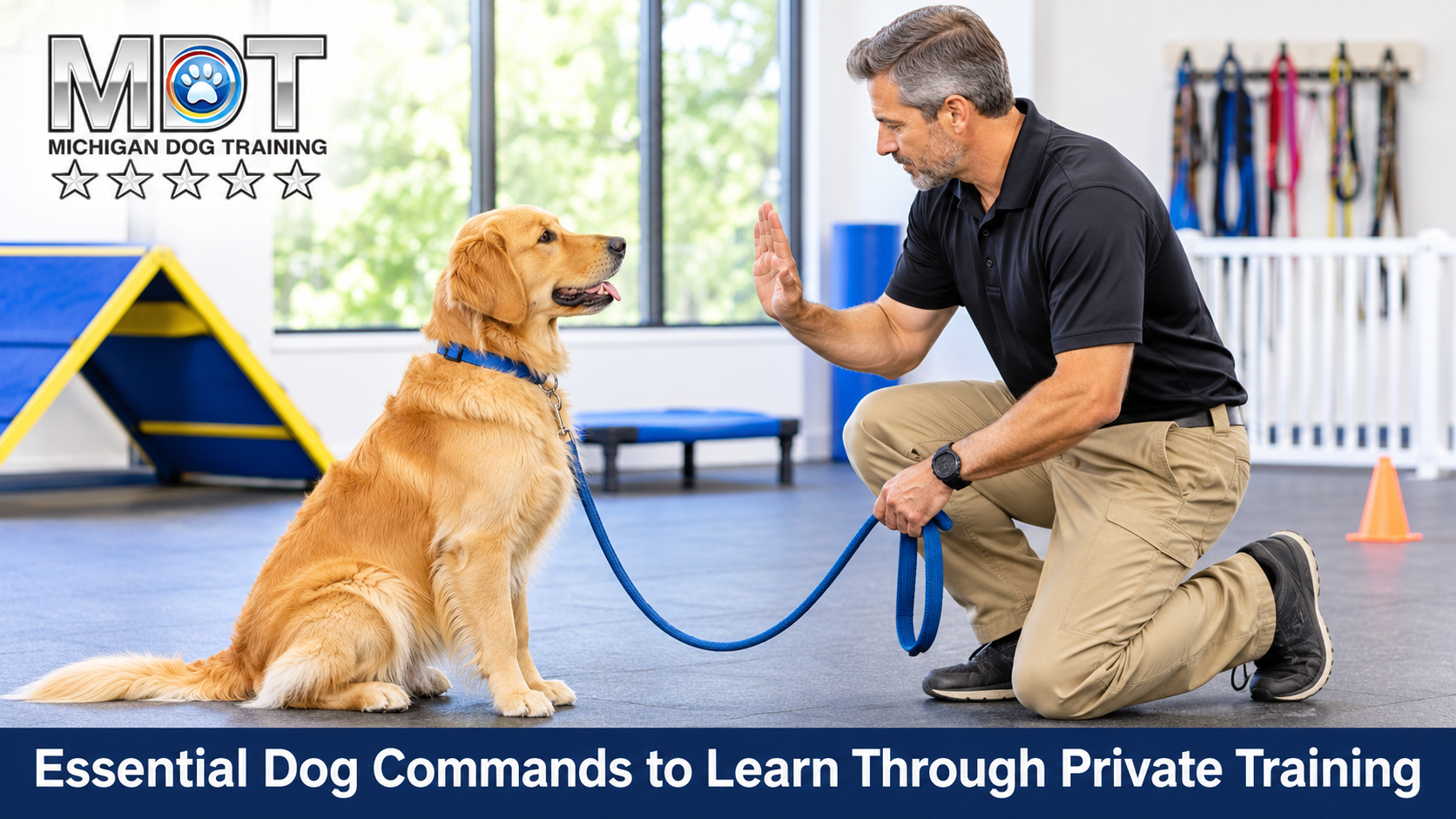
The “sit” command helps your dog settle before meals, greet visitors, or wait while you attach a leash. Hold a treat near your dog’s nose, move it gently upward, and reward the moment their bottom touches the floor. Practice in short sessions, then gradually ask for a sit in different locations so your dog responds consistently.
3. Use “Stay” to Build Patience and Self-Control
Teaching “stay” encourages your dog to remain in position until you give another cue. Start with a short duration and minimal distance, rewarding your dog for waiting calmly. Gradually increase the challenge without rushing. This skill is particularly helpful when answering the door, preparing food, or managing busy household routines. Always release your dog deliberately rather than letting them guess when training ends.
4. Make “Come” Your Dog’s Most Important Safety Skill
The “come” command, also called recall, teaches your dog to return when you call. Begin indoors or in a securely fenced area, using an upbeat voice and valuable rewards. Never punish your dog for returning, even if they took their time. Reliable recall takes practice around distractions, and dogs should remain leashed in unsafe or unenclosed areas until their response is dependable.
5. Teach “Leave It” to Prevent Risky Choices
Dogs explore with their noses and mouths, which can lead them toward dropped food, household objects, or potentially dangerous items. The “leave it” command teaches your dog to disengage from something and focus on you instead. Start with a low-value object, reward your dog for turning away, and gradually introduce harder distractions. Never use training as a substitute for keeping hazards out of reach.
6. Practice “Drop It” for Safer Play
The “drop it” command asks your dog to release an object from their mouth without a struggle. Begin with a toy, offer a tasty reward, and praise your dog when they release it. You can then use the toy to continue playing. This approach makes cooperation rewarding and reduces the temptation to run away with stolen socks, shoes, or other household items.
7. Master “Down” and “Place” for Calm Behavior
The “down” command encourages your dog to lie down, while “place” teaches them to settle on a designated bed or mat. These skills can help during family meals, visitor arrivals, or quiet evenings. Reward relaxed behavior and increase the time gradually. A comfortable resting spot also gives your dog a predictable activity when household excitement rises.
8. Improve Leash Walking With “Let’s Go” and “Heel”
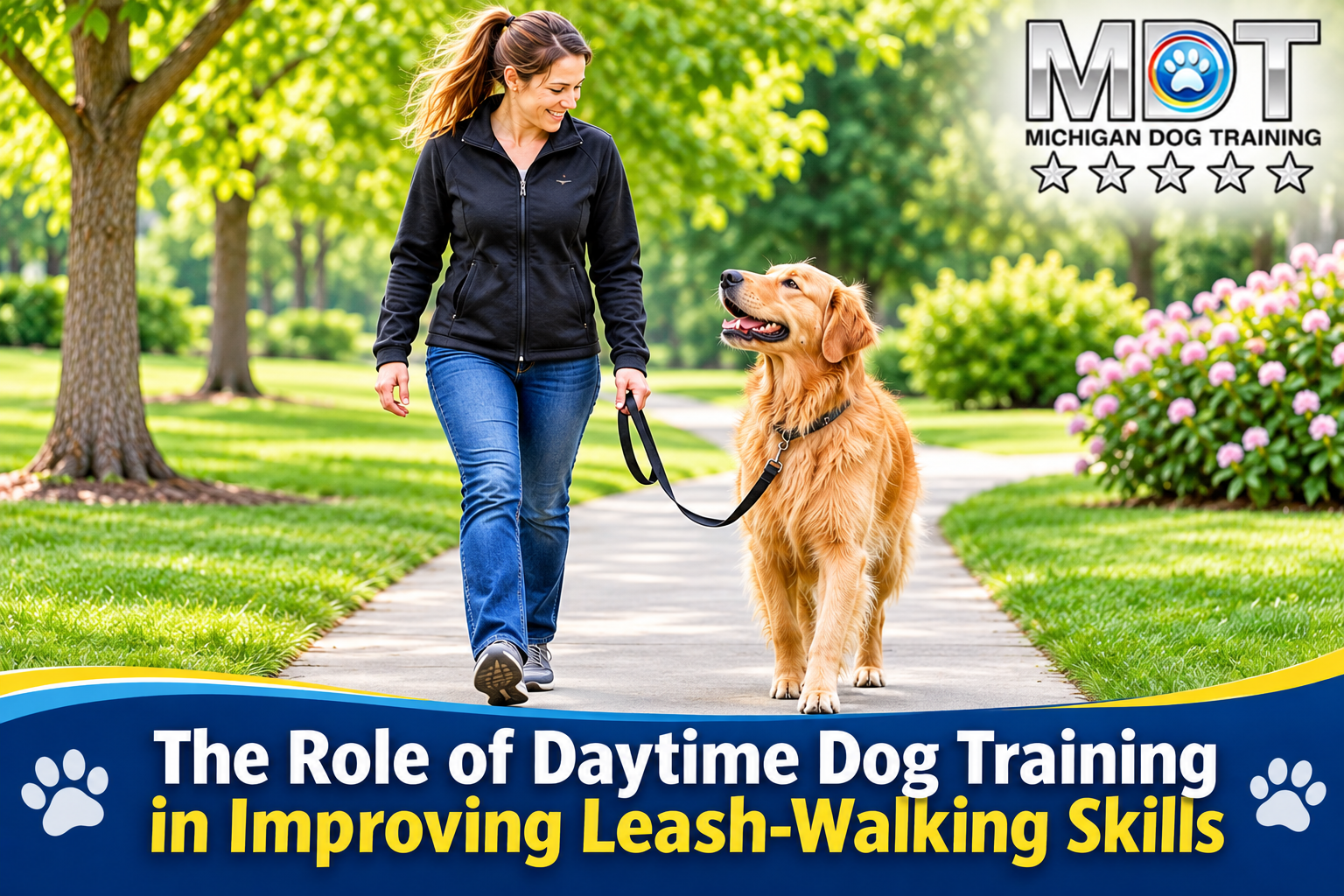
Polite leash walking makes neighborhood strolls safer and more enjoyable. “Let’s go” can signal that your dog should move along with you, while “heel” usually asks for closer attention beside your leg. You do not need to teach both immediately; choose cues that suit your routine and use them consistently.
During practice, reward your dog for walking near you without pulling. Keep sessions short, change direction when appropriate, and gradually work around mild distractions. Avoid jerking the leash or forcing your dog into position. If your dog lunges, freezes, or becomes highly reactive, seek qualified professional guidance to address the underlying behavior safely.
9. Add These Commands for Everyday Convenience
Once your dog understands the basics, introduce practical cues that support safer routines and better manners. Personalized dog training helps you choose commands that match your household, lifestyle, and goals instead of overwhelming your pet with unnecessary vocabulary.
Useful commands and cues include:
- “Wait”: Pause before going through a doorway or getting out of the car.
- “Off”: Keep paws off people, counters, and furniture when needed.
- “Quiet”: Encourage a pause in barking when it is safe and appropriate.
- “Touch”: Teach your dog to gently touch your hand with their nose.
- “Free” or “Okay”: Clearly signal when a requested behavior is finished.
Choose simple words that everyone in your household can remember. Dogs can learn different cues for different actions, but consistency matters more than having an impressive list. Practice one new behavior at a time, then combine familiar skills as your dog’s confidence improves.
10. How Private Dog Training Makes Learning More Effective
Group classes can be useful, but some dogs benefit from individual attention, particularly when they struggle with distractions or need help with specific behaviors. Individual dog training sessions allow a trainer to observe your dog’s responses, adjust exercises, and coach you through real-life situations. This focused approach can make practice more relevant to your home, walks, and daily schedule.
With Professional dog obedience training, you can work on foundational skills while also addressing jumping, pulling, poor impulse control, or inconsistent responses. The trainer should explain how to practice each cue, recognize progress, and respond when your dog becomes distracted. Ask about the training methods used and choose an approach that prioritizes clear communication, safety, and your dog’s well-being.
11. Build a Simple Training Routine That Works
Dogs learn through repetition, clear expectations, and rewarding experiences. Instead of expecting your pet to master every command in one afternoon, create a manageable daily routine. A few focused minutes can help reinforce skills without exhausting your dog’s attention. Keep sessions positive, end on an achievable success, and remember that consistency between lessons matters.
Try this simple routine:
- Morning: Practice name recognition, sit, and wait before breakfast.
- During walks: Reinforce attention, loose-leash walking, and recall on a long line in a safe area.
- Afternoon: Review leave it, drop it, or place using appropriate rewards.
- Evening: Practice calm greetings and settle on a mat before relaxing.
Adjust the routine to your dog’s age, health, energy level, and learning needs. Puppies may need shorter sessions, while adult dogs may benefit from gradually increasing distractions. If progress stalls, simplify the exercise instead of repeating the same command more loudly. A trainer can help identify whether the difficulty comes from confusion, the environment, or an exercise that needs to be broken into smaller steps.
12. Turn Training Into Lasting Good Habits With Michigan Dog Training
The goal of obedience training is not simply to make your dog follow instructions during a lesson. It is to develop reliable behaviors that carry over into ordinary life. Practice commands in different appropriate settings, reward good decisions, and make sure everyone at home follows the same rules. Remember that progress varies, and some dogs need more time or specialized support.
If you want a more structured approach, explore Private Dog Training Lessons from Michigan Dog Training. The program describes individualized training for everyday obedience, leash walking, recall, attention, impulse control, and polite manners. Working with a professional can help you establish clear expectations and build practical skills suited to your dog’s needs. Start with achievable goals, stay patient, and celebrate each step toward a safer, more rewarding relationship with your companion.
Conclusion
Teaching essential commands through private training helps dogs develop better manners, improve safety, and strengthen their bond with their owners. Commands like sit, stay, come, leave it, and drop it make everyday activities easier and more enjoyable. With consistent practice, patience, and positive reinforcement, dogs can gradually become more obedient and confident. Every dog has unique learning needs, so personalized guidance can make training more effective. Michigan Dog Training can help you work toward better communication and reliable obedience through individualized training support. Invest in your dog’s development today and enjoy a happier, safer, and more rewarding relationship with your furry companion.
FAQs
Q: What commands should every dog learn first?
A: Start with name recognition, sit, come, stay, leave it, and drop it. Down and polite leash walking are also valuable early skills. Prioritize safety and everyday usefulness, then add other cues as your dog becomes more confident.
Q: At what age should I start private dog training?
A: You can begin teaching simple, reward-based behaviors when a puppy comes home, provided the exercises suit their developmental stage. Adult and senior dogs can learn too. Adapt training to the dog’s health, attention span, previous experiences, and individual needs.
Q: How long does it take a dog to learn basic commands?
A: Some dogs understand a new cue within a few sessions, while reliable performance around distractions may take weeks or longer. Progress depends on consistency, motivation, environment, and the complexity of the behavior. Regular practice helps strengthen learning.
Q: Are private dog training lessons better than group classes?
A: Private lessons provide individualized attention and allow training to focus on your dog’s specific challenges. Group classes offer useful opportunities to practice around other dogs and people. The right choice depends on your goals, your dog’s behavior, and the trainer’s recommendations.
Q: Can private training help with leash pulling and jumping?
A: Yes. Private training can address these behaviors by teaching alternative responses, improving communication, and helping owners practice consistently. Persistent reactivity, fear, or aggression may require a more specialized behavior plan, so discuss your dog’s history with a qualified professional.