
What Trainers Look for During a Canine Needs Assessment
A canine needs assessment helps trainers understand a dog’s behavior, temperament, lifestyle, and training challenges. By evaluating these factors, trainers can create a personalized training


A canine needs assessment helps trainers understand a dog’s behavior, temperament, lifestyle, and training challenges. By evaluating these factors, trainers can create a personalized training

Local dog stores can give puppies a strong start by providing quality food, safe supplies, grooming products, and helpful care guidance. They also help new

We often see a simple mistake when people think about professional dog training. They focus on the command rather than the environment in which the

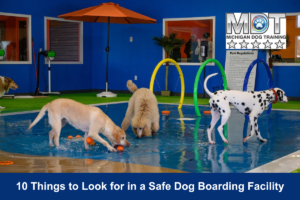
A safe dog boarding facility should offer clean, secure spaces, trained staff, proper supervision, emergency procedures, and safe play areas. It should also verify vaccinations,

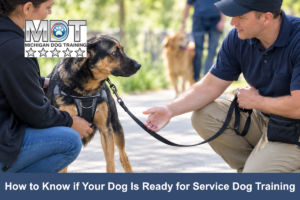
A dog may be ready for service dog training if they are healthy, confident, calm in different environments, and responsive to basic commands. They should

Private dog training for puppies helps establish good habits, confidence, and obedience from an early age. Personalized training focuses on potty training, basic commands, socialization,

Choosing the right dog day training program means considering your pet’s age, behavior, temperament, and specific training needs. Look for experienced trainers, positive reinforcement methods,

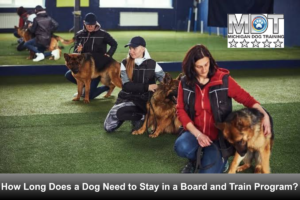
A dog typically stays in a board and train program for 1–4 weeks, depending on its age, temperament, training goals, and behavior challenges. Basic obedience

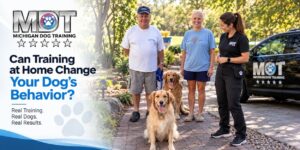
When we train a dog, we do not only want to see good behavior during a lesson. We want those skills to work when the