
Private vs. Group Dog Training in Michigan
Deciding between private dog training and group classes in Michigan can feel overwhelming—but it doesn’t have to be. Both options offer unique advantages depending on your dog’s behavior, learning style, and your personal goals. Whether your pet needs individualized attention or thrives in a social setting, this guide breaks down the differences to help you make a confident, informed choice for your dog’s education and long-term success.
Comparing Private and Group Dog Training
Let’s start by breaking down the key differences between private and group dog training. Understanding these distinctions will help you choose the path that best fits your dog’s needs and your lifestyle.
Private dog training provides one-on-one instruction tailored to your dog’s specific behavior, temperament, and learning style. Group training classes involve multiple dogs and focus on shared curriculum, socialization, and general obedience.
| Feature | Private Training | Group Classes |
|---|---|---|
| Training Format | One-on-one | Multiple dogs in a shared class |
| Focus Areas | Customized goals | General obedience and socialization |
| Pace of Learning | Based on your dog’s progress | Follows preset class curriculum |
| Behavior Issues Addressed | Anxiety, aggression, leash issues | Mild behavioral challenges |
| Location | Dog training facility | Dog training facility or club |
Impact of Personalized Attention
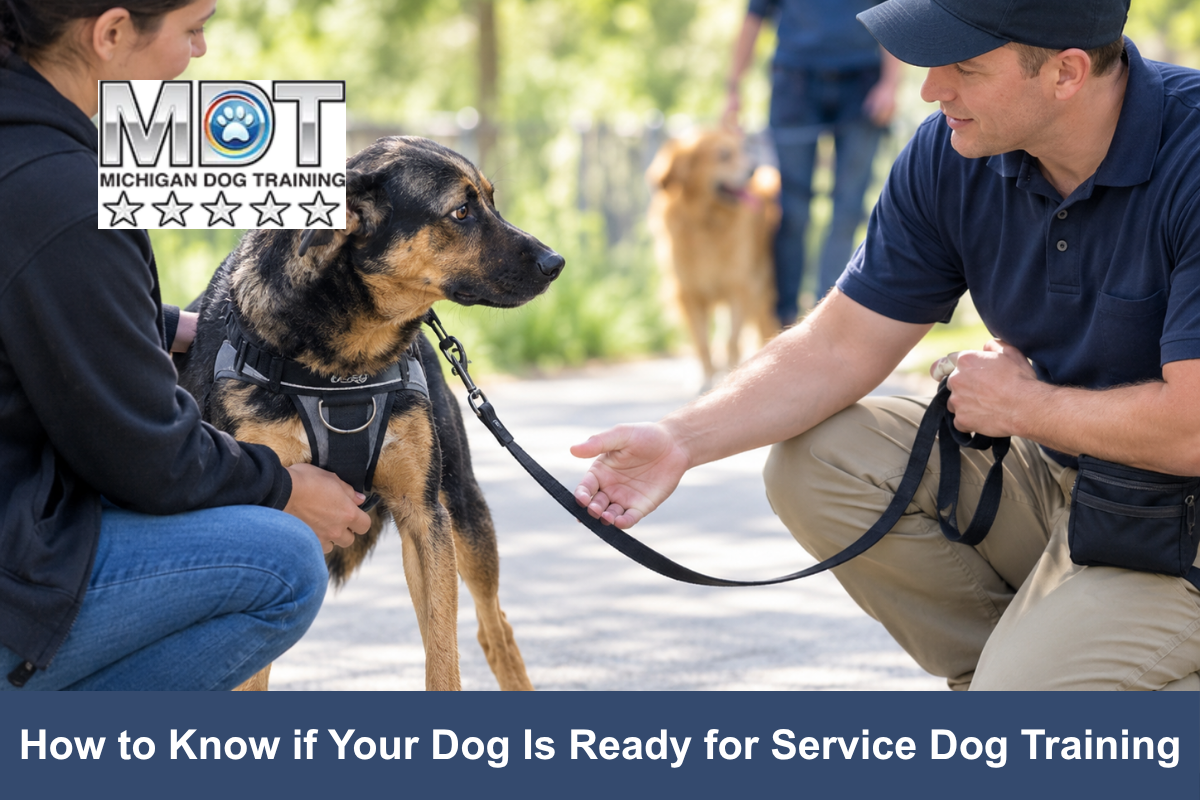
With private dog training, your dog receives undivided attention from a professional dog trainer. This allows the trainer to observe body language closely, fine-tune techniques, and apply behavior modification strategies that address your dog’s specific challenges. Whether it’s leash reactivity, anxiety, or building confidence, personalized attention leads to faster breakthroughs.
Group Class Socialization
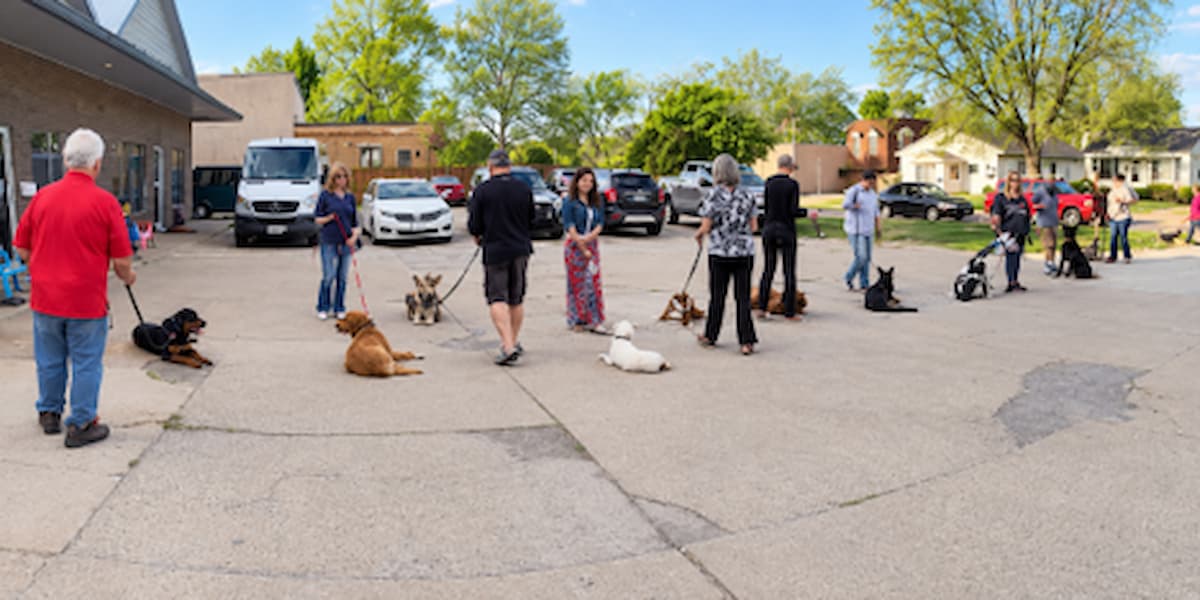
Group classes excel in helping dogs build social skills. These sessions provide controlled exposure to other dogs and people, which is essential for developing confidence, impulse control, and appropriate behavior in public settings like the dog park.
Scheduling and Flexibility
Private training offers flexible scheduling—ideal for busy pet owners. You can book sessions that fit your calendar and adjust based on your dog’s progress. In contrast, group classes follow a fixed schedule and require consistent attendance to stay on track.
Cost Comparison
Private training is an investment in customized learning. The cost reflects the individualized time and focus provided by your trainer. Group classes are generally more affordable and great for those looking for a budget-conscious way to address basic obedience.

Benefits of Private Dog Training
Now that we’ve explored the differences, let’s dive into the specific advantages of private dog training. If your dog has unique needs or challenging behaviors, private lessons may offer a faster and more effective path to success.
Private dog training offers a truly individualized learning experience for dogs and their owners. These sessions are designed to tackle the unique challenges your dog faces, whether it’s aggression, fear, or anxiety. Without the distractions of a group setting, your trainer can focus solely on your pet’s behavior, creating a calm and responsive environment that encourages progress. This one-on-one format often leads to quicker results, deeper communication between owner and dog, and long-lasting behavioral change.
Top Benefits of Private Training
- Tailored sessions that meet your dog’s exact needs
- Accelerated learning for faster results
- Less distraction means more focus
- Addresses serious behavior issues like aggression, fear, and anxiety
Private dog training creates a safe space for dogs with sensitivity to their environment. This can be particularly important for reactive dogs, therapy dog candidates, or those with specific obedience goals.
Solving Specific Behavior Problems
Private sessions are ideal for working on complex challenges such as:
- Leash aggression and reactivity
- Resource guarding
- Fear-based responses
- Separation anxiety
- Confidence building
Your dog trainer can incorporate behavior modification plans, reward-based reinforcement, and structured exercises tailored to your dog’s mindset and environment.
Positive Reinforcement in Private Sessions
Dogs respond differently to motivation—some prefer treats, others toys, praise, or exercise. In private dog training, your trainer can quickly identify what works best and reinforce desired behaviors effectively. This ensures your dog builds trust and confidence while learning.
Role of Expert Trainers
An experienced dog trainer understands canine learning theory, reads body language accurately, and adapts techniques on the spot. This level of observation and feedback isn’t always possible in a group setting, making private lessons a powerful tool for lasting transformation.
Trainers bring deep knowledge of dog behavior, learning styles, and behavior modification techniques that help create structured and effective training plans. This expertise is critical for dogs who need a more personalized curriculum based on their temperament and specific needs.
Benefits of Group Dog Training
While private lessons offer personalized instruction, group classes shine when it comes to building social skills and general obedience. If your dog is generally well-adjusted but needs more structure and focus, group training can be a fantastic option.
Advantages of Group Classes
Group training creates a dynamic learning environment where dogs build real-world skills while navigating distractions. It also helps dogs become more comfortable in shared spaces, such as walking trails or vet clinics.
Social Skills in Group Training
Socialization is more than play—it’s about teaching dogs how to stay focused and respectful in busy environments. Group training offers repeated exposure to other dogs, improving your dog’s ability to function calmly in various situations.
What Group Classes Cover
Most group classes follow a structured curriculum based on American Kennel Club obedience training standards. This includes:
- Sit and stay
- Recall (come)
- Loose-leash walking
- Impulse control
- Canine Good Citizen test preparation
Budget-Friendly Option
Group classes provide excellent value for dog owners looking to improve obedience and behavior in a shared environment. They’re especially effective for first-time pet owners or dogs with mild challenges.
Behavioral Improvements from Group Training
Dog owners often notice the following after consistent attendance:
- Improved attention around distractions
- Calmer behavior during leash walks
- Increased confidence in public spaces
Effectiveness of Each Training Type
Now that we’ve reviewed the unique benefits of each format, let’s look at how private and group training compare when it comes to overall effectiveness.
Comparing Training Effectiveness
Private training leads in solving specific behavioral issues, while group training builds foundational skills and confidence. Combining both can lead to the most balanced dog training experience.
| Training Type | Best For |
|---|---|
| Private | Reactivity, aggression, fear, leash issues |
| Group | Socialization, obedience, focus around dogs |
Best Fit for Different Dog Breeds
- Independent or sensitive breeds (e.g., Akitas, Shiba Inus) often benefit from private training
- Outgoing or playful breeds (e.g., Labradors, Golden Retrievers) thrive in group classes
- High-drive breeds (e.g., German Shepherds) may need both formats to excel
Which Problems Each Method Solves Best
- Private: Ideal for addressing dog aggression, managing separation anxiety, correcting leash pulling, and reducing excessive barking. These sessions provide a calm environment where the trainer can implement personalized behavior modification techniques tailored to the dog’s triggers and temperament. This focused approach ensures that even complex or deeply rooted behaviors can be addressed effectively.
- Group: Best suited for teaching basic obedience commands like sit, stay, and come; developing focus amidst distractions; and improving manners when interacting with other pets and people in a structured, social setting.
Training Timeframes and Expectations
Understanding the timeline and what to expect from both training types can help you plan and stay motivated. Let’s explore how long it typically takes to see results.
Time to See Results
Dogs in private sessions often show noticeable changes within 1–3 sessions, especially with consistent owner practice. Group classes typically build up skill over several weeks.
Factors Affecting Private Session Duration
- Age and temperament of the dog
- Severity of behavior challenges
- How often the dog receives structured feedback at home
Group Class Timing and Progress
- Weekly structure helps owners stay on track
- Missing a class may slow momentum
- Homework between sessions is key to progress
Combining Private and Group Training
Still can’t decide? The good news is that you don’t have to choose just one. A blended training plan could offer the best solution for you and your dog.
Benefits of a Combined Approach
Some pet owners start with private dog training to address foundational issues, then move to group dog training classes for reinforcement and continued socialization. This approach offers the best of both worlds.
How to Schedule a Consultation
Ready to help your dog thrive with a training plan that fits your goals and lifestyle?
Start your training journey today by visiting Michigan Dog Training. From there, you can browse our private dog training and group class options to see which format matches your dog’s behavior and learning styles. Complete a short online form to share your goals and your dog’s background, including age, breed, and behavioral concerns.
Prefer to speak with someone? Call our team directly for expert feedback and scheduling support. Once we receive your information, we’ll reach out to set up a personalized consultation, develop a tailored curriculum, and begin improving your dog’s confidence, health, and behavior from the very first session.