Service dogs are essential partners who must perform reliably in a wide range of environments. Yet distractions—from passing traffic to curious bystanders—can quickly pull their attention away from important tasks. This lapse in focus not only reduces accuracy but can also place the handler’s safety at risk. To build dependable performance, handlers must understand common triggers, strengthen foundation skills, apply structured proofing, refine handler techniques, and know how to troubleshoot problems effectively.
Let’s walk you through proven strategies step by step, offering practical approaches that will help you and your dog remain confident, focused, and reliable in any situation.
What Are the Common Types of Distractions Affecting Service Dogs?
Distractions divert a service dog’s attention away from its handler or task, weakening reliability and increasing the risk of mistakes. By recognizing the types of distractions most dogs face, handlers can develop targeted management strategies. These distractions typically fall into four categories: environmental disturbances, social and human interactions, internal states, and their overall impact on performance. Identifying them early ensures training remains focused on prevention and consistent task engagement.
Environmental Distractions
Environmental triggers come directly from a dog’s surroundings and often prompt automatic responses that interrupt focus. Examples include sirens, moving vehicles, or the bustle of crowded sidewalks. Common types of environmental distractions include:
- Visual cues like passing cyclists or cars
- Auditory stimuli such as alarms or construction noise
- Scent-based lures from food vendors or other animals
Addressing these requires systematic desensitization combined with proactive handler guidance. Over time, progressive exposure helps the dog stay calm and attentive in even the busiest environments.
Social and Human Distractions
Social interactions are some of the most common—and difficult—distractions for service dogs. Strangers often attempt to pet, call out, or otherwise engage with a dog while it is working. Even highly trained dogs may break position to investigate. Examples include children running nearby, passersby making sudden movements, or people attempting unsolicited greetings. Training polite greeting protocols and reinforcing focus cues help dogs maintain professionalism. Handlers can also use educational tools such as vest messages or cue cards to politely deter interactions and protect their dog’s working status.
Internal Factors
Internal distractions stem from a dog’s physical or emotional state. Hunger, thirst, or discomfort from poorly fitted equipment can easily divert focus. Anxiety in unfamiliar environments can also reduce reliability. Handlers can minimize these challenges by ensuring regular health checks, using properly fitted gear, and scheduling planned rest breaks. Meeting the dog’s internal needs supports consistent focus and allows training to be effective in real-world conditions.
Effects on Performance
The impact of distractions on performance is significant. A distracted service dog may:
- Delay responses to critical cues
- Misinterpret commands
- Miss important task behaviors altogether
These lapses can increase stress for handlers and reduce independence. Recognizing how distractions affect performance underscores why proactive training and consistent reinforcement are vital to long-term success.
How Can Foundation Training Improve Service Dog Focus and Impulse Control?
Foundation training lays the groundwork for distraction-proofing by instilling attention cues and impulse control skills. Commands such as “Watch Me” and “Leave It” teach dogs to prioritize their handler’s direction over competing stimuli. Practicing these consistently builds resilience and ensures service dogs remain focused under pressure. Handlers who invest in foundation training set their dogs up for success in advanced environments. Expert opinion from the American Veterinary Medical Association confirms that attention cues and impulse control are critical to long-term distraction management
American Veterinary Medical Association, “Service Dog Training” (2024)
Attention Exercises
The “Watch Me” exercise strengthens eye contact, creating a reliable anchor point for focus. Handlers can:
- Begin with low-value rewards in quiet settings
- Reward immediate eye contact with higher-value treats
- Progressively add distractions as the dog improves
This progression ensures that the dog can maintain focus across varied environments, making it an invaluable tool for public access work.
Impulse Control Training
Impulse control reduces the dog’s tendency to act on immediate temptations. Training often starts with food-based exercises and expands to more complex scenarios. Effective methods include:
- Teaching “Leave It” with food in a closed hand, then progressing to floor-based temptations
- Practicing delayed reward games where the dog must wait for a release cue
- Using structured mat work to reinforce calmness in distracting environments
These exercises equip service dogs to resist common distractions and maintain concentration until given a specific task or release cue.
Strengthening the Handler-Dog Bond
The relationship between handler and dog plays a central role in distraction management. A strong bond fosters trust, reduces anxiety, and encourages cooperation. Handlers can build this bond by engaging in daily play, maintaining predictable routines, and consistently reinforcing positive behaviors. When the partnership is strong, the dog is more motivated to ignore distractions and prioritize its handler’s cues.
What Are Proven Strategies for Managing Service Dog Distractions in Public Access Settings?
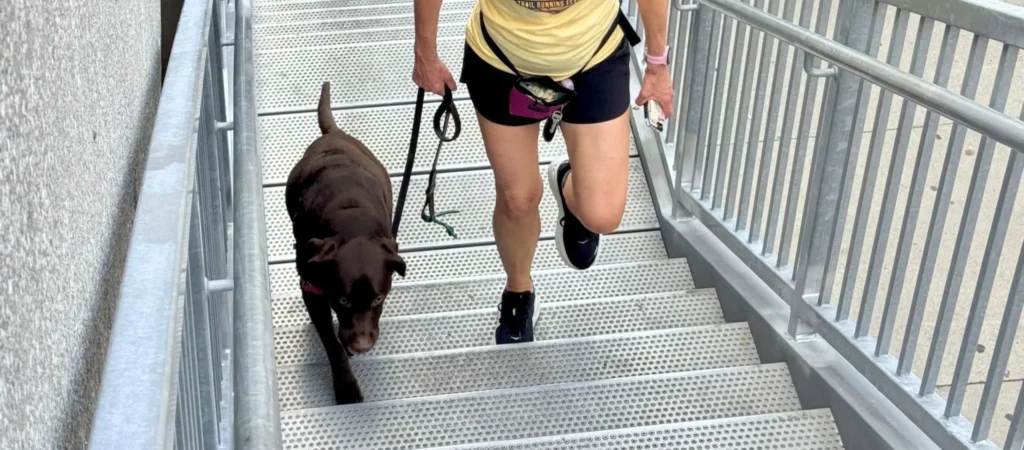
Public access proofing ensures service dogs perform reliably in high-stimulus environments. Gradual exposure to urban, retail, and social settings helps them adapt to real-world challenges. Structured practice strengthens their ability to focus, reassures the public, and maintains compliance with service dog training.
Training in Urban and Retail Settings
Urban proofing begins in calm environments and steadily progresses to more complex ones. A phased approach works best:
- Start in quiet parking lots to reinforce basic obedience
- Progress to busier sidewalks, rewarding calm responses
- Practice navigating stores and restaurants with controlled exposure
This gradual method prepares the dog for increasingly complex distractions without overwhelming it.
Managing Crowds and Social Situations
Crowded spaces demand anticipation and control from handlers. Short leash holds, focus cues at entry points, and immediate reinforcement of calm behavior are essential. Practicing in controlled group settings also helps the dog learn to remain steady when surrounded by movement and noise. These strategies turn chaotic scenes into opportunities to strengthen focus.
Ignoring Other Animals
Other animals often present some of the toughest distractions. Counter-conditioning and desensitization techniques can reduce reactivity by rewarding calm observation. Handlers gradually decrease distance from other animals while reinforcing non-reactive behavior. This retrains the dog’s response, teaching it to focus solely on its handler.
Preventing Unsolicited Petting
Unwanted interactions can quickly break a dog’s concentration. Teaching mat work, stay commands, and reinforced down positions provides structure when strangers approach. Handlers may also use educational cards or vest badges to remind the public not to pet the dog. Clear boundaries preserve the service dog’s working mindset and maintain etiquette in public spaces.
What Handler Techniques Help Prevent and Manage Service Dog Distractions?
Handlers are just as responsible for managing distractions as the dogs themselves. Developing environmental awareness, refining body cues, practicing leash control, and applying reinforcement schedules all support consistent focus. When handlers anticipate challenges and respond proactively, they set their dogs up for success.
Environmental Awareness
By scanning ahead for possible triggers, handlers can issue focus cues before distractions escalate. Adjusting position or pace early keeps the dog engaged and reduces stress. This proactive awareness makes outings smoother and safer for both partners.
Body Language and Verbal Cues
Clear, consistent communication is essential. Gestures, posture, and concise commands help reinforce expectations. For example, pairing a hand signal with a Watch Me cue strengthens the association and anchors attention even in busy environments.
Leash Handling
Leash control provides direct physical feedback that supports training. Handlers can:
- Use loose-leash techniques for freedom with subtle guidance
- Shorten the leash when approaching crowded or high-stimulus zones
- Apply two-handed grips during intense distractions for added stability
These adjustments act as tactile prompts, reinforcing verbal and visual cues.
Reinforcement Schedules
Well-timed rewards keep dogs motivated and attentive. Effective reinforcement strategies include:
- Continuous reinforcement in early training
- Variable ratio rewards to maintain long-term engagement
- Occasional high-value rewards for exceptional focus
Strategic use of rewards ensures the dog stays eager to comply, even in challenging environments.
Which Advanced Training Techniques Enhance Service Dog Distraction Proofing?
Advanced training prepares service dogs for unpredictable, high-stimulus scenarios. Techniques such as desensitization, counter-conditioning, and scenario-based training expand a dog’s ability to adapt while remaining focused. These methods close gaps that foundation training alone may not address.
Systematic Desensitization
This gradual method pairs mild stimuli with rewards, slowly increasing intensity as the dog becomes comfortable. Over time, previously disruptive distractions become neutral, allowing the dog to remain calm and focused.
Counter-Conditioning
Counter-conditioning changes negative emotional responses into positive associations. Pairing aversive stimuli, such as sirens, with treats or play helps reframe the dog’s perception. This approach builds resilience and stability in environments that might otherwise trigger anxiety or hyper-vigilance.
Scenario-Based Training
Simulated environments—like mock grocery trips or public transportation rides—offer safe opportunities to identify weaknesses. Practicing under trainer supervision helps generalize skills and strengthens adaptability. These sessions prepare dogs for authentic real-world challenges.
Proofing in High-Stimulus Settings
Final proofing sessions test the dog’s ability to maintain reliability under unpredictable conditions. Handlers can:
- Introduce surprise distractions during routines
- Practice in different locations and at varying times
- Reinforce even minor correct responses immediately
These strategies cement reliability and ensure readiness for any situation.
How Can Common Distraction Issues Be Troubleshot and Resolved?
Even highly trained service dogs may occasionally falter. Addressing issues promptly prevents them from becoming habits and restores reliability. Common challenges include barking, leash pulling, and lapses in focus. Each requires specific strategies to resolve.
Addressing Barking
Excessive barking often signals frustration or over-arousal. Solutions include teaching quiet cues, reinforcing silence, and using desensitization techniques. With consistent practice, dogs learn to remain calm even in the presence of strong triggers.
Reducing Leash Pulling
Leash pulling toward distractions can be corrected with a mix of impulse control and handler consistency. Handlers may stop walking until slack returns, pivot away from lunges, and reinforce “Leave It” alongside leash control exercises. These strategies re-establish leadership and reduce reactive pulling.
Regaining Focus After Lapses
When a dog loses focus, reset cues like “Touch” or “Watch Me” paired with high-value rewards can quickly redirect attention. If lapses persist, handlers should temporarily reduce distractions and gradually rebuild. Swift recovery keeps focus lapses from undermining reliability.
What Are the Legal and Ethical Considerations for Service Dog Distraction Management in Public?
The Americans with Disabilities Act (ADA) grants service dog teams public access rights but also places clear responsibilities on handlers. Dogs must remain under control and free from disruptive behaviors. Compliance protects access privileges and fosters public trust.
ADA Guidelines
The ADA requires service animals to perform disability-related tasks while remaining under handler control. If a dog becomes disruptive or poses a threat, businesses are legally allowed to ask for its removal. This reinforces the importance of consistent training and reliable focus
Educating the Public
Bystanders often unintentionally contribute to distractions. Handlers can manage this by politely educating others, using vest badges, or handing out cards explaining the dog’s role. Public awareness reduces unwanted interaction and helps preserve the dog’s working mindset.
Handler Responsibilities
Handlers must ensure their dogs are healthy, well-equipped, and trained to maintain focus in public environments. Ethical stewardship includes ongoing distraction-proofing and consistent reinforcement. These responsibilities build community trust and safeguard access rights for all service dog teams.
U.S. Department of Justice, Civil Rights Division, “ADA Requirements: Service Animals” (2010)
How Can Michigan Dog Training Help Handlers Build Dependable Service Dog Focus?
At Michigan Dog Training, dependable focus is developed through a layered approach that combines professional instruction with hands-on owner involvement. Their trainers begin with foundation obedience skills, teaching cues like “Watch Me” and “Leave It” to build attention and impulse control.
From there, programs expand into distraction-proofing exercises, public access practice, and advanced proofing techniques that prepare dogs for real-world challenges. Handlers receive coaching on leash handling, body language, and reinforcement strategies, ensuring they can support their dog’s focus beyond the classroom. With MDT’s structured programs, dog owners gain the knowledge and confidence to help their dogs overcome distractions, creating reliable partnerships that thrive in any environment.