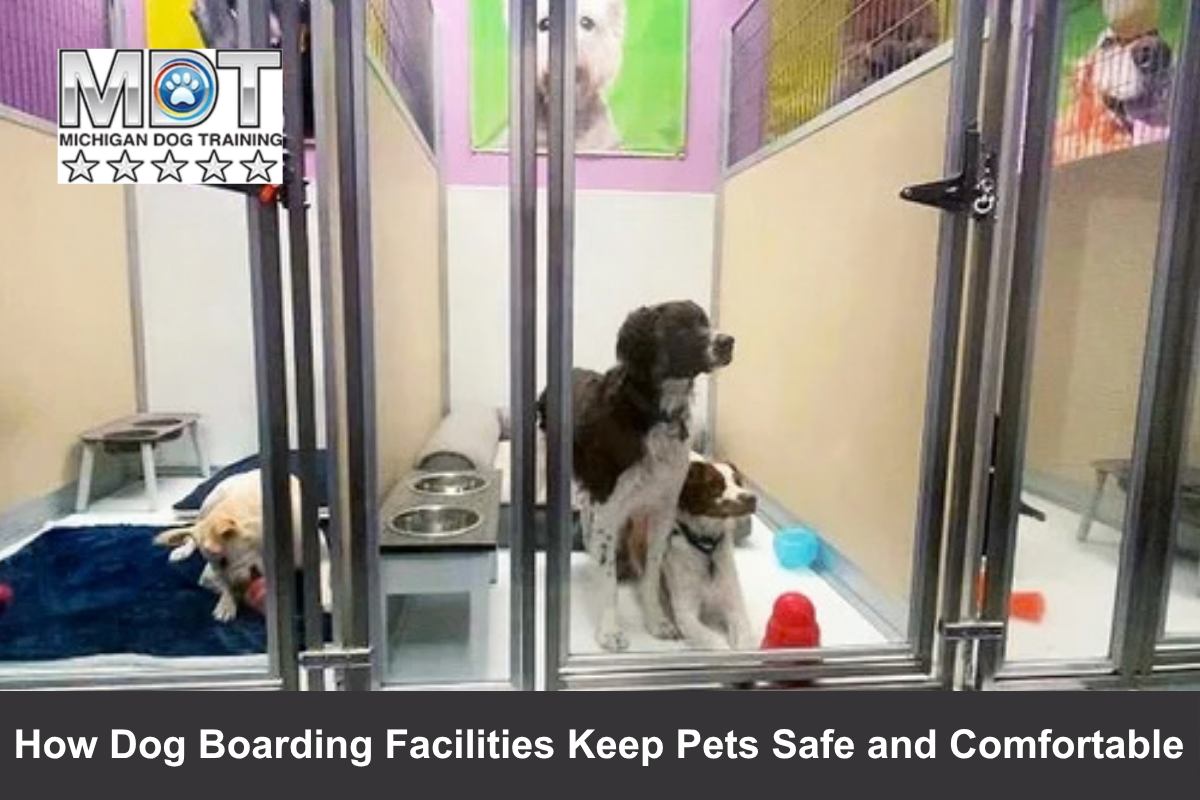
Dog boarding facilities keep pets safe and comfortable by providing secure spaces, supervised playtime, clean environments, and trained staff. They also maintain feeding routines, offer regular exercise, and monitor each dog’s health and behavior throughout the stay.
Introduction
When you leave your dog at a boarding facility, you want more than basic care—you want peace of mind. A reliable dog boarding facility keeps pets safe, comfortable, healthy, and happy throughout their stay. From secure play areas and clean sleeping spaces to trained staff and regular supervision, every detail matters. Additionally, quality boarding facilities also follow proper feeding, exercise, and sanitation routines to reduce stress and prevent health issues. Many also provide individualized care based on each dog’s personality, routine, and needs. By choosing a trustworthy boarding facility, pet owners can enjoy their time away knowing their furry companions are receiving attentive and compassionate care.
1. Secure Facilities Help Prevent Escapes and Accidents
One of the biggest priorities at a reputable Dog boarding facility is physical safety. Dogs can become curious, excited, or nervous when they enter an unfamiliar environment. A secure facility therefore uses sturdy fencing, properly secured gates, safe doors, and controlled entry points to reduce the possibility of an escape. Staff should also follow procedures when dogs enter or leave the property so that no pet accidentally slips through an open door or gate.
Indoor spaces matter just as much. Kennels, sleeping areas, playrooms, and hallways should be free from obvious hazards such as exposed wires, sharp objects, unstable equipment, or damaged fencing. Good facilities regularly inspect their surroundings and address maintenance problems before they become safety concerns. This attention to detail is one reason responsible Dog kennel boarding can be a safer option than leaving a dog alone for long periods.
2. Trained Staff Provide Consistent Supervision
A safe boarding environment depends heavily on the people caring for the dogs. Experienced caregivers understand that every dog has a different personality, energy level, comfort zone, and communication style. Instead of treating every pet the same, trained staff watch for body language and behavior changes that may indicate excitement, fear, discomfort, or stress.
Supervision is especially important during group play. Dogs may enjoy socializing, but not every dog is comfortable playing with every other dog. Professional caregivers can monitor interactions and separate dogs when necessary. They can also provide quieter activities for dogs that prefer personal space. This individualized approach makes Professional dog boarding more than simply providing food and shelter—it creates a controlled environment where dogs can receive appropriate attention throughout their stay.
3. Structured Routines Help Dogs Feel More Comfortable
Dogs generally respond well to predictable routines. A sudden change in environment can be confusing, particularly for dogs that are sensitive to unfamiliar surroundings. Quality boarding facilities establish daily schedules that may include meals, bathroom breaks, exercise, playtime, rest periods, and bedtime.
Keeping these activities consistent can help dogs settle into their temporary surroundings. Instead of spending the entire day wondering what happens next, your dog can become familiar with the rhythm of the facility. Structured routines can also prevent dogs from becoming overstimulated because active periods are balanced with opportunities to rest.
For longer stays, maintaining a predictable schedule becomes even more important. Overnight dog boarding should include appropriate nighttime arrangements so dogs have a secure, quiet place to sleep rather than being exposed to constant activity.
4. Cleanliness and Hygiene Protect Canine Health
Clean surroundings are another important part of responsible Pet boarding services. Since multiple dogs may share the same general environment, regular cleaning and sanitation can help reduce the spread of germs, parasites, odors, and other health concerns. Staff should clean sleeping areas, food and water stations, play spaces, and frequently touched surfaces according to a consistent schedule.
Good hygiene also involves proper waste management. Accidents should be cleaned promptly, and bedding should be changed when necessary. Fresh drinking water should be available, and food preparation areas should be kept sanitary.
Before booking, pet owners should ask how often the facility cleans its spaces and what procedures it follows if a dog becomes sick. A transparent answer is a good sign that the facility takes animal health seriously. While no environment can eliminate every health risk, responsible facilities can take practical steps to minimize preventable problems.
5. Individualized Feeding and Medication Support
Your dog’s normal diet plays a major role in keeping them comfortable during boarding. A sudden food change can sometimes cause digestive upset, especially when a dog is already adjusting to a new environment. Many reputable boarding facilities allow owners to provide their dog’s regular food and feeding instructions.
Clear instructions are especially important for dogs with specific dietary requirements. Staff should know how much food your dog receives, how frequently they eat, and whether certain treats or ingredients should be avoided. Labeling food portions can make feeding easier and reduce confusion.
Medication management is another consideration. If your dog takes prescribed medication, ask the facility whether trained staff can administer it and how doses are documented. Provide clear written instructions and the medication in its original packaging when required. These small details can make a major difference in maintaining your dog’s normal routine.
6. Exercise and Enrichment: Keep Dogs Happy
Safety is only part of good boarding care. Dogs also need physical activity and mental stimulation. Without enough activity, an energetic dog may become bored, restless, or frustrated. That’s why quality Dog daycare and boarding programs often include supervised play, walks, interactive activities, or other forms of enrichment.
However, more activity isn’t always better. A responsible facility considers the dog’s age, health, temperament, and energy level. A young, energetic dog may benefit from more active play, while an older dog may need shorter walks and longer rest periods. Similarly, a shy dog may enjoy individual enrichment more than a busy group-play environment.
Mental stimulation can also include puzzle toys, scent games, basic training exercises, or one-on-one interaction with staff. These activities give dogs something positive to focus on while helping prevent boredom.
7. Safe Socialization Is Carefully Managed
Many dogs enjoy meeting new canine friends, but socialization should never mean putting every dog into one large group. Responsible boarding facilities evaluate dogs before allowing them to participate in group activities. Factors such as size, temperament, play style, confidence, and behavior can influence whether dogs are compatible.
Staff should watch interactions rather than simply leaving dogs together unattended. Play should remain appropriate and balanced, with opportunities for dogs to take breaks. If a dog becomes overwhelmed, staff should be able to move them to a quieter space.
This is particularly important for dogs that are shy, reactive, elderly, or unfamiliar with group settings. The best Dog boarding services recognize that comfort looks different for every dog. A successful boarding experience does not require every pet to become a social butterfly. Sometimes the safest choice is simply providing calm individual attention.
8. Comfortable Sleeping Areas Support Better Rest
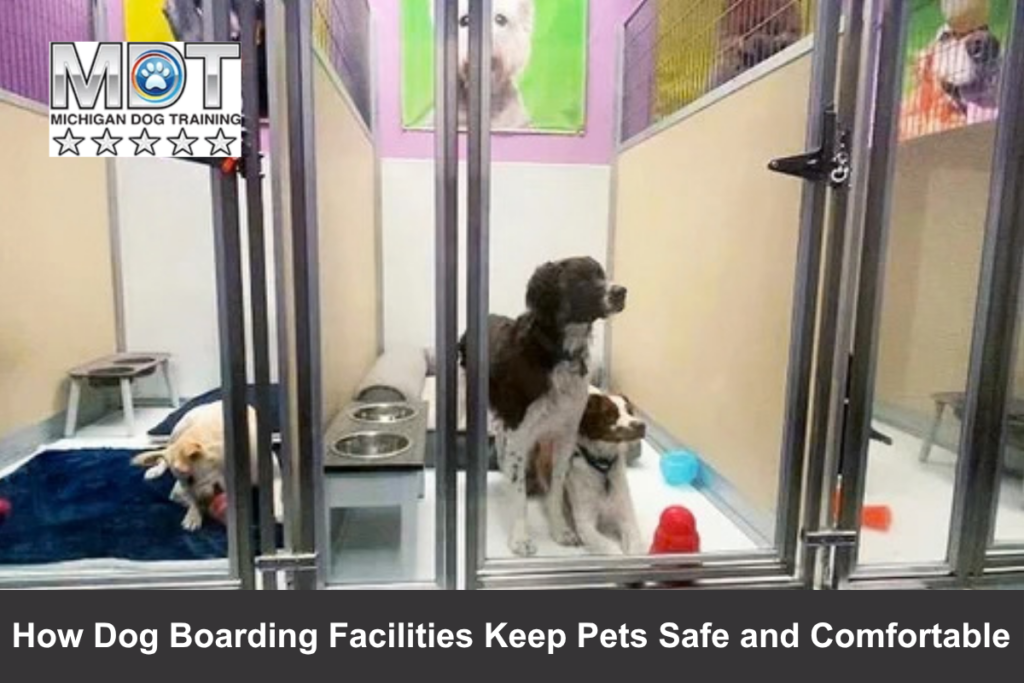
Dogs need quality rest, especially when they are experiencing a new environment. A comfortable sleeping area gives them a place where they can relax after meals, exercise, play, and social interaction. Depending on the facility, sleeping arrangements may include individual kennels, private rooms, crates, runs, or other designated spaces.
The sleeping area should be appropriately sized, clean, secure, and comfortable for the individual dog. Excessive noise and constant activity can make it difficult for dogs to settle, so facilities should provide quiet periods whenever possible.
Owners can also help by bringing familiar items if the facility allows them. A favorite blanket, bed, or safe toy can provide familiar smells and help the dog feel more at ease. Familiar objects won’t completely replace home, but they can make a new environment feel less unfamiliar.
9. Emergency Plans Add an Extra Layer of Protection
A professional boarding facility should be prepared for unexpected situations. Dogs can become ill, experience injuries, or have medical emergencies just as they can at home. For that reason, responsible facilities should have clear procedures for contacting owners, seeking veterinary assistance, and responding to emergencies.
Before booking, ask what happens if your dog needs urgent medical attention. Find out whether the facility works with a local veterinarian or emergency veterinary hospital and how they handle situations outside normal business hours. You should also provide accurate emergency contact information and your veterinarian’s details.
Good emergency planning doesn’t mean something will go wrong. Instead, it means the facility is prepared if something unexpected happens. Knowing that a plan exists can provide valuable peace of mind during your trip.
10. Communication Keeps Owners Connected
One of the hardest parts of leaving your dog can be wondering how they’re doing. Modern Pet boarding services often address this concern by providing updates through photos, videos, messages, or scheduled check-ins. While communication policies vary, regular updates can help owners feel connected to their pets.
Don’t hesitate to ask about the facility’s communication process before booking. Some facilities may provide daily updates, while others may offer them upon request. You can also ask whether staff will contact you if your dog’s appetite, behavior, energy level, or health changes.
Clear communication works both ways. Give staff honest information about your dog’s habits, fears, medications, dietary needs, and behavior around other animals. The more they know, the better they can tailor your dog’s care.
11. How Owners Can Prepare Dogs for Boarding
Even the safest facility can’t eliminate every adjustment challenge. Owners can make boarding easier by preparing their dogs before the first overnight stay. If possible, visit the facility beforehand so your dog can experience the surroundings while you are still nearby. A short introductory visit can make the environment feel more familiar.
It may also help to begin with a shorter stay before scheduling a longer trip. A brief boarding experience allows your dog to learn that you leave and return. If your dog responds well, future stays may feel less intimidating.
Provide accurate instructions about feeding, medication, sleep preferences, exercise, and behavior. If your dog has separation concerns or doesn’t enjoy group play, tell the staff. Being honest isn’t embarrassing—it helps caregivers create a safer and more comfortable experience.
12. Choose Professional Dog Boarding With Confidence
Not all boarding options provide the same standard of care. When comparing facilities, look beyond attractive photos and low prices. Visit the location when possible and observe whether the environment appears clean, organized, secure, and appropriately staffed.
Ask practical questions about supervision, feeding, exercise, sleeping arrangements, emergency procedures, vaccinations, cleaning, group play, and communication. You can also ask how the staff handles nervous dogs or behavioral challenges. A trustworthy facility should be willing to explain its policies clearly.
Reviews and recommendations can provide additional insight, but your dog’s individual needs should remain the deciding factor. The best Professional dog boarding option is one that matches your dog’s temperament, health, activity level, and comfort preferences.
Give Your Dog a Safer, Happier Boarding Experience
Choosing boarding care doesn’t have to be stressful. When a facility combines secure spaces, trained supervision, clean surroundings, structured routines, proper nutrition, enrichment, rest, and emergency preparedness, your dog can enjoy a comfortable home-away-from-home experience.
If you’re looking for dependable care for your dog, explore trusted Dog boarding services and consider what your pet needs most. Whether you need Dog daycare and boarding for a busy schedule or Overnight dog boarding while traveling, taking time to evaluate the facility can make all the difference.
For dog owners looking for personalized care, you can also learn more about Dog Boarding services and explore options designed to keep your dog comfortable, active, and well cared for while you’re away.
Conclusion
Choosing a reliable dog boarding facility gives pet owners peace of mind while ensuring their dogs remain safe, comfortable, and well cared for. From secure play areas and clean sleeping spaces to supervised activities, trained staff, and proper feeding routines, quality boarding facilities prioritize every aspect of a dog’s well-being. However, good behavior and basic obedience can make the boarding experience even smoother. That’s where Michigan Dog Training can help. Professional training can prepare your dog to follow commands, interact appropriately, and adjust confidently to new environments. With the right training and a trusted boarding facility, your dog can enjoy a safe, comfortable, and positive stay.
FAQs
Q: Is dog boarding safe for dogs?
Reputable boarding facilities can provide a safe environment through secure fencing, controlled entry, trained supervision, sanitation procedures, and structured routines. However, safety standards vary, so owners should visit facilities and ask detailed questions before booking.
Q: How do boarding facilities keep dogs comfortable?
Facilities can improve comfort by maintaining predictable schedules, providing clean sleeping areas, offering appropriate exercise, and giving dogs individual attention. Familiar bedding or toys may also help some dogs adjust to a new environment.
Q: What should I look for in a dog boarding facility?
Look for trained staff, secure spaces, cleanliness, appropriate supervision, clear emergency procedures, individualized care, and transparent policies. Ask how the facility handles feeding, medication, exercise, socialization, and overnight care.
Q: Can my dog bring food and personal belongings?
Many facilities allow owners to provide their dog’s regular food and selected comfort items. However, policies differ, so confirm what’s permitted before arrival. Labeling food and belongings can also help prevent mix-ups.
Q: Will my dog be allowed to play with other dogs?
That depends on the facility and your dog’s temperament. Responsible facilities typically evaluate dogs before group activities and monitor interactions. Dogs that prefer individual attention may receive one-on-one play or enrichment instead.