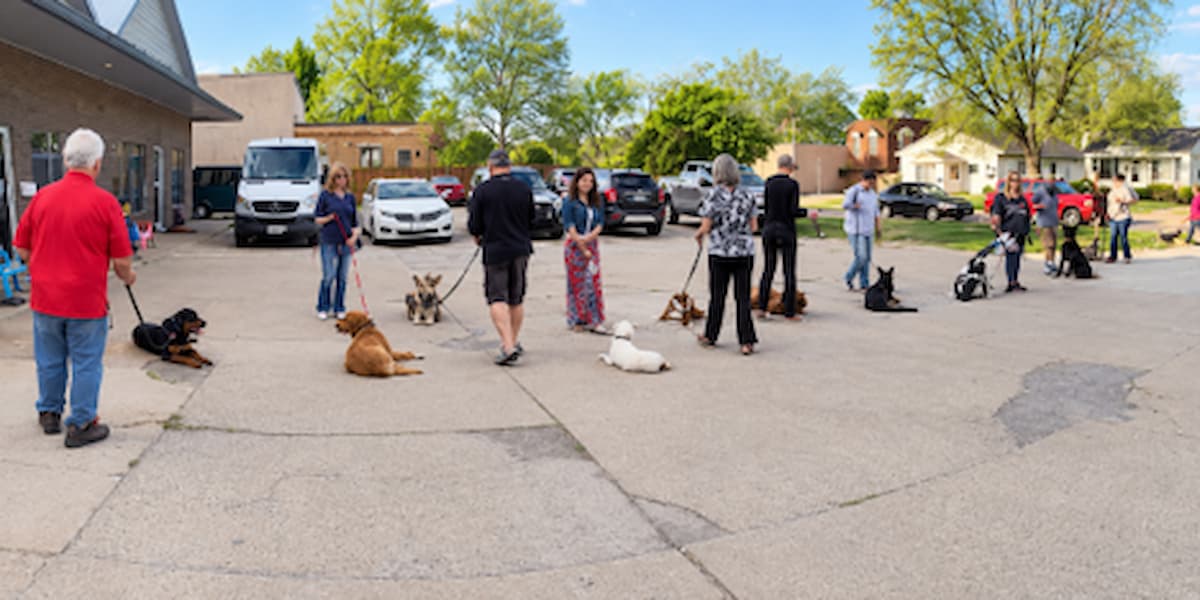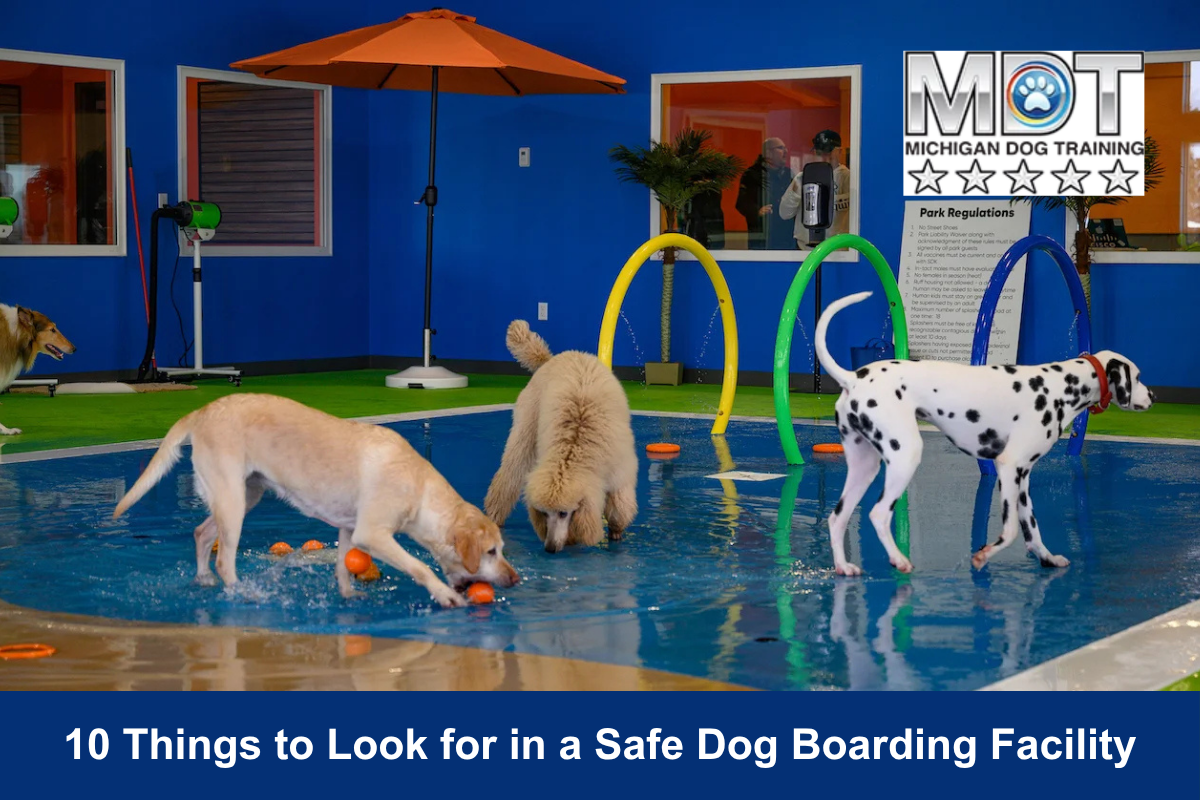

Professional board-and-train dog services provide structured training, consistent routines, and expert guidance in a controlled environment. They can improve obedience, behavior, socialization, confidence, and leash manners while giving owners practical skills to continue training at home.
Introduction
Professional board-and-train dog services offer a convenient, effective way to improve your dog’s behavior, obedience, and everyday manners. Instead of attending occasional training sessions, your dog stays with experienced trainers and receives structured instruction, exercise, socialization, and consistent guidance. This immersive approach can be especially helpful for busy pet owners or dogs that need extra support with specific behaviors. From better leash manners and basic obedience to improved confidence and impulse control, a well-designed board and train program can make daily life easier for both dogs and their families. In this guide, discover the top ten benefits worth considering.
What Is Dog Board and Train?
A board and train program combines temporary boarding with professional training. Your dog stays at a trainer’s facility or another supervised training environment while working on specific behavioral and obedience goals. Depending on the program, training may include basic commands, leash walking, recall, crate skills, polite greetings, socialization, and household manners.
Unlike a single weekly lesson, board-and-train dog training creates opportunities for repeated practice. Trainers can reinforce desired behaviors throughout the day while monitoring how your dog responds to different situations. This consistency can be particularly helpful when a dog needs more structure than its owner can realistically provide during a busy workweek.
It is also important to remember that board and train is not a magic solution. Your dog may learn valuable skills while staying with a professional, but those skills still need reinforcement once your dog comes home. Reputable programs should therefore include owner education, progress updates, and guidance for maintaining the results.
1. Get Consistent Professional Training
One of the biggest advantages of dog training boarding is consistency. Dogs learn through repetition, and professional trainers can provide multiple short, purposeful training sessions throughout the day. Instead of practicing a command occasionally, your dog can work on the same behavior repeatedly in different controlled situations.
For example, a dog that pulls on the leash can practice walking calmly, changing direction, responding to cues, and maintaining focus. Likewise, a dog that struggles with jumping can repeatedly practice greeting people with four paws on the floor. Consistent reinforcement helps replace unwanted habits with more appropriate behaviors.
Professional trainers can also adjust the training approach based on the individual dog. Age, temperament, motivation, previous experiences, and the specific behavior being addressed can all influence how training should be delivered. This personalized approach makes the program more meaningful than simply following a one-size-fits-all routine.
2. Improve Dog Obedience and Everyday Manners
Basic obedience can make everyday life safer, easier, and more enjoyable. Commands such as sit, stay, come, down, and leave it give owners useful ways to communicate with their dogs. Professional dog obedience training can help strengthen these skills through structured repetition and controlled distractions.
Good manners matter outside formal training sessions, too. A dog that can calmly greet visitors, walk without constantly pulling, wait before going through a doorway, and respond to recall is generally easier to manage in everyday situations. These skills can also help owners feel more confident when taking their dogs to parks, stores, outdoor events, or family gatherings where dogs are permitted.
Furthermore, obedience training is not simply about making a dog follow commands. It is about creating clear communication between the dog and owner. When both understand what is expected, daily interactions often become less frustrating and more predictable.
3. Address Unwanted Behaviors in a Structured Setting
Barking, jumping, leash pulling, counter surfing, poor impulse control, and destructive habits can become frustrating for families. A structured training environment allows professionals to identify patterns and teach alternative behaviors.
For instance, rather than simply trying to stop a dog from jumping, a trainer can teach the dog to sit or maintain four paws on the floor when greeting someone. Similarly, instead of focusing only on stopping leash pulling, the trainer can teach the dog how to walk calmly and pay attention to the handler.
That distinction is important. Effective training should focus on teaching the dog what to do, not merely punishing what the owner dislikes. Ask prospective trainers about their methods before enrolling. A reputable professional should be able to explain how they handle unwanted behavior and how they keep training clear, humane, and appropriate for the individual dog.
4. Give Your Dog More Socialization Opportunities
Socialization is another valuable part of many professional board and train programs. Dogs may encounter new people, environments, sounds, surfaces, routines, and carefully managed interactions with other dogs. These experiences can help them become more comfortable in different situations.
However, socialization does not mean forcing every dog to interact with every person or animal. Quality socialization should be controlled and appropriate for the dog’s temperament. A nervous dog may benefit from calmly observing new experiences from a comfortable distance rather than being pushed into direct interaction.
A well-designed dog training camp can provide opportunities for controlled exposure while helping trainers monitor the dog’s reactions. Over time, this can support confidence and adaptability. Always ask how a facility manages group interactions and whether dogs are matched according to temperament, size, play style, and individual needs.
5. Establish a Predictable Daily Routine
Dogs often thrive when they understand what to expect. A professional residential dog training program can provide a predictable daily schedule that may include training, meals, exercise, rest, enrichment, and supervised activities.
This structure can be especially useful for dogs that have difficulty settling down or maintaining focus. Regular routines give them clear expectations and reduce the amount of uncertainty they experience throughout the day. Trainers can also use scheduled activities to teach patience, impulse control, and calm behavior.
At the same time, a routine should not become so rigid that the dog cannot adapt to normal life. A strong program should gradually expose dogs to different environments and distractions so they can transfer their skills beyond the training facility. Ask how the trainer plans to prepare your dog for real-world situations rather than only controlled exercises.
6. Provide Exercise and Mental Stimulation
Training requires more than physical repetition. Dogs also need appropriate exercise and mental stimulation. Without enough activity, some dogs may become bored, restless, or more likely to develop unwanted behaviors.
Professional board and train programs can combine training exercises with structured play, walks, enrichment activities, and rest periods. This combination gives dogs appropriate outlets for their energy while helping them practice focus and self-control.
Mental stimulation is especially important because learning itself can be tiring. A dog that spends time solving simple training challenges, responding to cues, exploring new environments, and practicing impulse control receives valuable cognitive enrichment. However, quality programs should balance activity with adequate downtime so dogs do not become overstimulated.
7. Give Busy Owners a Practical Training Solution
Modern pet owners often juggle work, family responsibilities, travel, errands, and other commitments. Finding enough time for several training sessions every day can be difficult. Professional dog boarding and training can provide a practical alternative by allowing a qualified trainer to handle much of the structured practice during the dog’s stay.
This does not mean owners can completely step away from the training process. In fact, owner participation remains one of the most important factors in maintaining progress. The trainer may teach the dog a behavior, but the owner needs to understand how to reinforce it at home.
A quality program should therefore provide transfer sessions, demonstrations, written guidance, videos, or other resources when appropriate. Before enrolling, ask exactly what owner education is included. The goal should be to return home with both a better-trained dog and a better understanding of how to communicate with that dog.
8. Support Confidence and Better Adaptability
Some dogs struggle when they encounter unfamiliar people, sounds, places, or routines. A thoughtfully designed board and train program can introduce new experiences gradually and help dogs learn that unfamiliar situations do not automatically represent a threat.
Trainers can create controlled challenges that encourage dogs to think, respond to cues, and recover from distractions. For example, a dog might practice remaining calm while hearing unfamiliar noises, walking through a new environment, or observing activity around them.
Confidence should never be confused with forcing a dog into uncomfortable situations. Good trainers recognize when a dog needs additional space, slower exposure, or a different approach. If your dog is particularly fearful or has a history of serious behavioral issues, discuss those concerns honestly with the trainer before choosing a program.
9. Give Owners Professional Guidance and Peace of Mind
It can be difficult to evaluate your own dog’s behavior objectively. Owners naturally become accustomed to their pet’s habits, and sometimes a behavior that seems minor at home becomes more noticeable in other environments.
A professional trainer can provide another perspective. They can identify patterns, explain why certain behaviors occur, and recommend practical strategies. This guidance can help owners stop guessing and start following a clear plan.
Professional boarding can also provide peace of mind when your dog is staying away from home. A reputable facility should have appropriate supervision, secure areas, cleanliness protocols, emergency procedures, and clear communication with owners. Before committing, visit the facility when possible and ask about daily routines, staff experience, exercise, rest, feeding, medication procedures, and emergency contacts.
10. Build Long-Term Success at Home
Perhaps the most important benefit of a professional board and train program is the foundation it can create for continued learning. Your dog may return home with stronger obedience skills, better manners, and improved responses to everyday cues.
However, the transition home matters. Your dog is returning to a familiar environment filled with the same distractions, people, routines, and opportunities that may have contributed to previous behaviors. Owners should therefore avoid assuming that training is permanently “finished” after pickup.
Instead, continue practicing the behaviors your trainer taught. Keep commands consistent, reward appropriate choices, maintain reasonable boundaries, and gradually introduce your dog to real-world distractions. If your dog receives a follow-up lesson, take advantage of it. Continued reinforcement helps turn training skills into lasting habits.
How to Choose the Right Board and Train Program
Not every dog board and train program operates the same way. Before choosing one, research the trainer’s qualifications, experience, training philosophy, facility, supervision practices, and communication process. Ask what behaviors the program addresses and how success is measured.
It is also worth asking how much individual training your dog receives each day. A program should not simply use “training” as a label for ordinary boarding. Find out how often your dog works one-on-one with a trainer, what the daily schedule looks like, and whether training is adapted to your dog’s specific needs.
Most importantly, understand the training methods. Ask what happens when a dog refuses a command, becomes fearful, reacts to another dog, or displays unwanted behavior. You should feel comfortable with the trainer’s answers before handing over your pet.
What Should You Ask Before Enrolling Your Dog?
Before choosing a program, prepare a short list of questions. Ask about trainer experience, daily training time, supervision, exercise, feeding, sleeping arrangements, socialization, emergency procedures, and communication during the stay.
Also ask what happens after the program ends. Does the trainer provide a handoff lesson? Will you receive written instructions? Are follow-up sessions available? Can the trainer demonstrate the techniques you should use at home?
If you are specifically looking for a structured camp-style experience, you can also explore the K9 Camp program. Compare the program details with your dog’s needs and your own training goals before making a decision.
Is Board and Train Right for Every Dog?
Board and train can be useful for many dogs, but it is not automatically the best choice for every pet. Some dogs may learn effectively through private lessons, day training, group classes, or a combination of services. The right option depends on your dog’s behavior, temperament, goals, and your ability to participate consistently.
Extremely fearful dogs, those with serious aggression concerns, or have complex behavioral histories may require a more specialized assessment. Be completely transparent about your dog’s history before enrollment. Hiding important information can put your dog, trainers, and other animals at unnecessary risk.
A responsible trainer should also be willing to explain when their program is not appropriate. That kind of honesty is a positive sign because professional training should always prioritize the dog’s welfare and realistic outcomes.
Make Your Dog’s Training Experience Count
Professional board and train services can offer much more than temporary pet care. When designed and managed properly, they combine structured learning, expert supervision, exercise, socialization, enrichment, and individualized attention.
The biggest advantage is the opportunity to create consistent training habits. Dogs can practice appropriate behaviors repeatedly while trainers observe their responses and adjust the program when necessary. Meanwhile, owners can gain practical knowledge that helps them continue the training after the dog returns home.
If you are considering board-and-train dog training, do your homework first. Visit facilities, ask detailed questions, understand the training philosophy, and make sure the program provides a clear transition plan. Most importantly, look for a service that treats your dog as an individual rather than simply placing every dog into the same routine.
With the right professional guidance and consistent follow-through at home, board and train can become a valuable step toward better communication, stronger obedience, and a happier relationship between you and your dog.
Conclusion
In conclusion, professional board and train dog services offer a practical way to build obedience, confidence, and good behavior in dogs while giving owners valuable training guidance. With structured routines, expert handling, and consistent reinforcement, dogs can develop skills that last well beyond their training stay. For pet owners seeking reliable and personalized support, Michigan Dog Training can be a valuable choice for helping dogs become happier, more confident, and better behaved. Professional training not only addresses common behavioral challenges but also strengthens communication between dogs and their owners, creating a healthier and more enjoyable relationship for years to come.
FAQs
Q: How long does a board and train program last?
A: Program length varies depending on the trainer, the dog’s needs, and the goals you want to accomplish. Some programs may last a short period, while others may continue for several weeks. Ask the provider what behaviors they expect to address within the recommended timeframe.
Q: Will my dog be fully trained after board and train?
A: No program can guarantee that a dog will be “fully trained” after a single stay. Board and train can establish important skills and habits, but owners must continue practicing at home. Consistency after the program plays a major role in maintaining progress.
Q: What does a dog learn in board and train?
A: Training may include sit, down, stay, recall, leash walking, place, crate skills, impulse control, polite greetings, and other household manners. The exact curriculum should depend on your dog’s needs and your training goals.
Q: Is dog boarding and training better than weekly lessons?
A: Not necessarily. Both approaches have advantages. Board and train provides an immersive environment and frequent repetition, while weekly lessons allow owners to participate directly throughout the process. The best choice depends on your schedule, your dog’s behavior, and the level of support you need.
Q: Can board and train help with leash pulling?
A: Many programs can work on leash manners and teach dogs more appropriate walking behavior. However, results depend on the dog’s history, temperament, training methods, and how consistently owners reinforce the behavior after the program.
Q: Should I visit a board and train facility before enrolling?
A: Yes. A facility visit can help you evaluate cleanliness, security, sleeping areas, training spaces, exercise routines, staff interaction, and overall organization. It is also an opportunity to ask questions and determine whether you feel comfortable with the environment.
Q: What should I tell the trainer before my dog’s stay?
A: Provide accurate information about your dog’s behavior, training history, feeding routine, medical needs, medications, triggers, fears, favorite rewards, and interactions with people and other animals. The more useful information the trainer has, the better they can plan appropriately.
Q: Does my dog need training after coming home?
A: Yes. Continued practice is essential. Follow the trainer’s instructions, use consistent cues, reinforce desired behaviors, and gradually practice around everyday distractions. Your participation helps transfer training from the professional environment into your home and community.