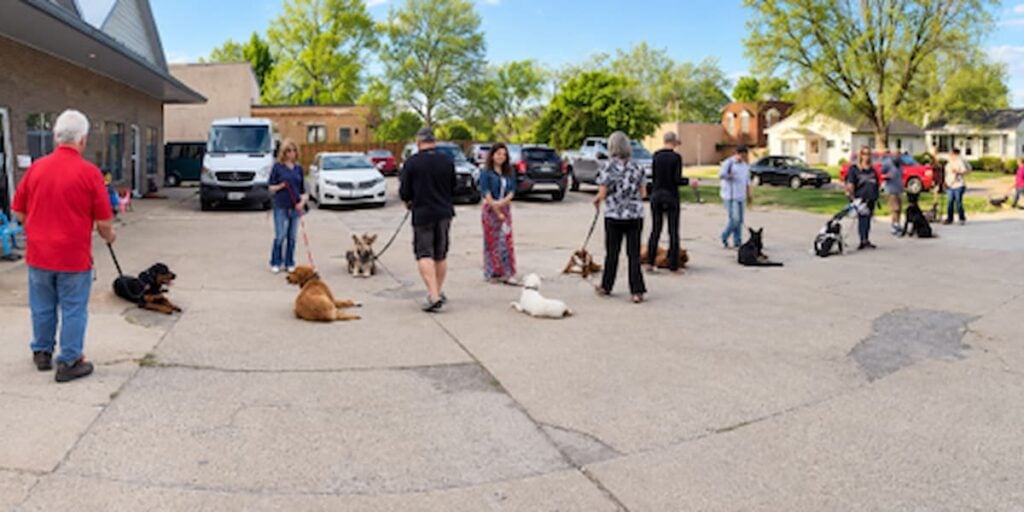
We often see a simple mistake when people think about professional dog training. They focus on the command rather than the environment in which the dog must use it. A dog may understand “sit” in a quiet room, yet struggle when people, animals, traffic, and unfamiliar sounds compete for its attention. That is why a training camp for dogs in Michigan can offer more than basic obedience. It can create opportunities for structured practice, repetition, and real-world preparation.
We take the same practical view when developing training classes for service dogs. Service work requires dependable behavior in changing environments. A service dog may need to remain focused in public spaces while performing trained tasks. Building that reliability takes time, consistency, and careful progression. Our focus is to help dogs and handlers develop skills that have value beyond the training session.
Why Does the Training Environment Matter?
We believe the setting can shape how effectively a dog learns. A controlled environment provides a useful starting point, but dogs eventually need to respond when distractions appear.
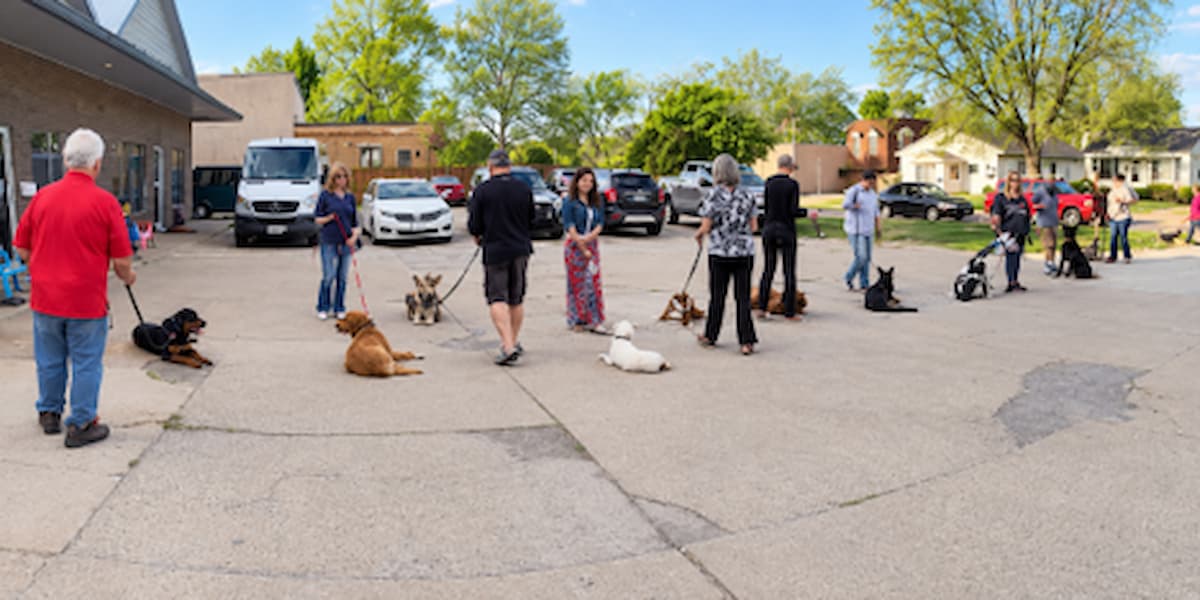
We use structured practice to help dogs work around common distractions. These may include other dogs, people, movement, outdoor activity, and unfamiliar surroundings. We can then build difficulty gradually instead of expecting a dog to handle every situation immediately.
This approach reflects an important principle in canine training: a behavior is not truly reliable until the dog can perform it under appropriate distractions. Repetition helps create consistency, while controlled exposure helps dogs learn how to remain focused.
What Makes Intensive Training Different From a Single Lesson?
We see intensive training as a process rather than a quick correction. A single lesson can introduce a technique, but meaningful behavior change requires repeated practice.
A structured program gives us more opportunities to reinforce useful behaviors and identify areas that need additional work. Depending on the dog’s needs, we may focus on loose-leash walking, recall, impulse control, place commands, waiting at doors, polite greetings, and responding around distractions.
Our Board and Train format provides dogs with an intensive training schedule while they stay at our facility. Our Day Training option provides another structured format for owners who want their dogs to receive professional instruction during the day and return home afterward.
The purpose is not to overwhelm a dog with constant commands. Instead, we use repetition and appropriate challenges to help make desired behaviors more dependable.
How Does Training Prepare Dogs for Everyday Distractions?
We prepare dogs by gradually increasing the difficulty of their surroundings. A dog that has learned a command in a quiet setting may next practice that skill around mild distractions. Over time, the environment can become more challenging.
This progression can be useful for everyday obedience. We want dogs to learn that a familiar command still applies when something interesting happens nearby.
For example, a reliable recall can become valuable when a dog encounters a distraction outdoors. Calm leash walking can make neighborhood outings easier. Waiting at a doorway can help create safer household routines.
These skills may appear simple, but their value becomes clearer when they work consistently in ordinary situations.
What Does Service Dog Training Require?
Service dog preparation involves a higher level of reliability because the dog may need to perform trained tasks while remaining appropriate in public settings.
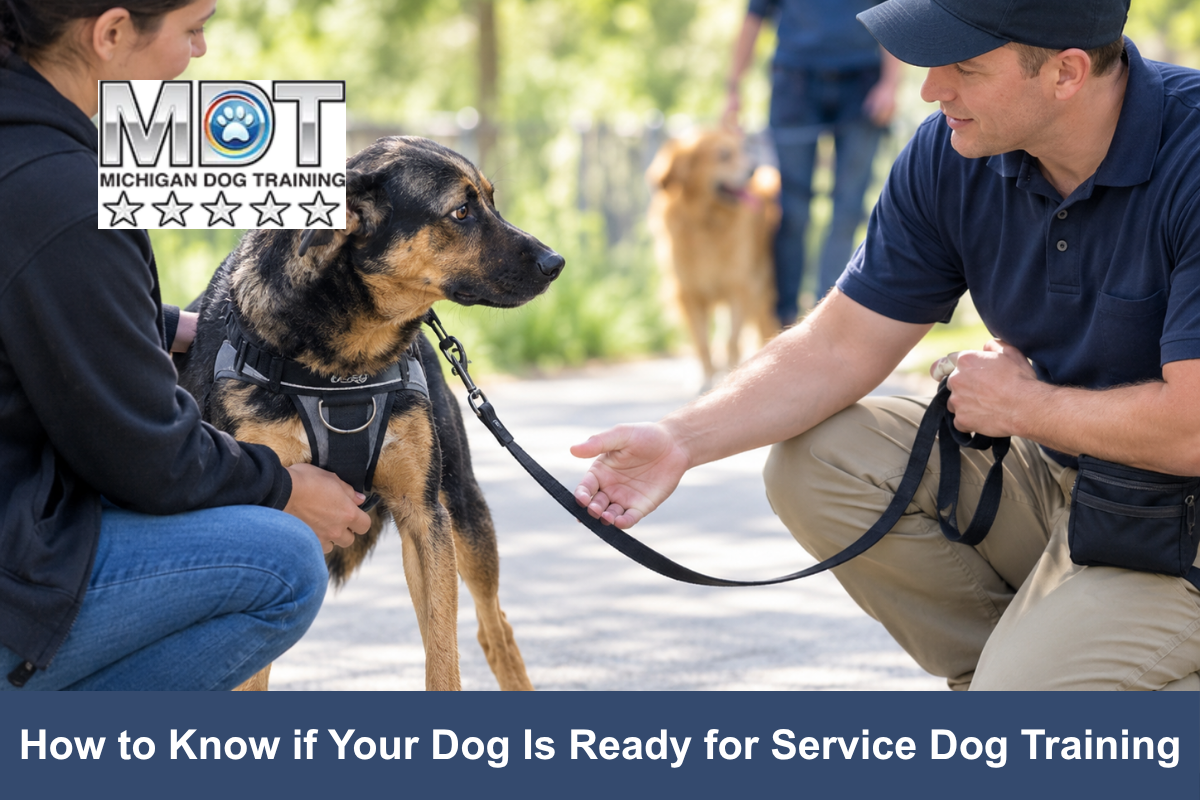
Our training classes for service dogs can address foundational obedience, public-access behavior, and service-specific skills. We also recognize that not every dog is suited for this type of work. Temperament, confidence, social behavior, and the ability to remain focused are important considerations.
The Americans with Disabilities Act defines a service animal as a dog individually trained to perform work or tasks for a person with a disability. It also distinguishes service animals from dogs whose role is solely to provide comfort or emotional support.
That distinction matters when owners begin considering specialized training. The objective should be useful task performance combined with appropriate public behavior.
Why Is Handler Training Just as Important?
We do not view the dog as the only student. The handler also needs to learn how to communicate clearly, reinforce appropriate behavior, and maintain consistency.
This is particularly important with service work. A handler must understand the dog’s cues and know how to support the dog’s trained responses. Regular practice can also help prevent learned skills from fading.
Our approach therefore places value on owner participation. Whether we are working with a puppy, an adult dog, or a service dog candidate, we want owners to leave with practical knowledge they can apply beyond formal instruction.
How Can Training Become Part of Daily Life?
We encourage owners to use ordinary routines as training opportunities. Mealtimes, walks, doorways, greetings, and quiet periods can all provide moments to reinforce appropriate behavior.
Simple practices can include asking for calm behavior before opening a door, reinforcing a good recall during suitable outdoor practice, encouraging a dog to settle while family members move around, and maintaining consistent leash expectations.
These small repetitions can have a cumulative effect. Training becomes less like an isolated activity and more like a normal part of living with a dog.
What Should Owners Look for in a Structured Program?
We recommend looking at the training process rather than judging a program only by its list of commands. Owners should consider the trainer’s experience, assessment process, training environment, program format, and approach to distractions.
A suitable program should also match the dog’s individual needs. Useful questions include:
- How is the dog’s behavior assessed?
- What skills will be taught?
- How are distractions introduced?
- How involved will the owner be?
- How will training continue after formal sessions?
These questions can help owners choose a program based on practical needs rather than promises of instant results.
Can Structured Training Support Long-Term Reliability?
We believe reliability develops through repetition, consistency, and appropriate challenges. Dogs need opportunities to practice learned behaviors in different situations while owners need clear methods for reinforcing those behaviors.
A structured training camp for dogs in Michigan can provide concentrated practice for dogs that need more than occasional instruction. Meanwhile, specialized training classes for service dogs can provide a foundation for owners pursuing task training and public-access skills.
The broader goal remains the same: helping dogs develop behaviors that have meaning in everyday life.
What Does Successful Training Really Look Like?
We measure success through practical changes rather than a perfect performance during one lesson. A dog that can walk calmly, respond to a recall, wait at a doorway, settle around distractions, or remain focused during appropriate public practice is demonstrating useful progress.
Training also changes the human side of the relationship. When owners understand how to communicate expectations and reinforce appropriate behavior, daily interactions can become more predictable.
For owners considering a training camp for dogs in Michigan or exploring training classes for service dogs, Michigan Dog Training provides structured options that include Board and Train, Day Training, private instruction, group classes, and service dog preparation. The lasting value of training comes from what happens after the lesson: skills are practiced, reinforced, and gradually turned into dependable parts of everyday life.
FAQs About Structured Dog Training
- How long does dog training usually take?
Training time varies according to age, temperament, behavior history, goals, and the owner’s consistency with practice.
- Can older dogs learn new behaviors?
Yes, older dogs can learn new behaviors when training uses consistent methods, realistic goals, and suitable reinforcement.
- What skills should every dog learn?
Most dogs benefit from reliable recall, leash manners, basic obedience, impulse control, and appropriate greeting behavior.
- Are all dogs suitable for service work?
No, service work requires suitable temperament, confidence, focus, social behavior, and the ability to perform reliably.
- Does training stop after completing a program?
No, continued practice helps maintain learned behaviors and supports reliable responses across changing everyday environments.