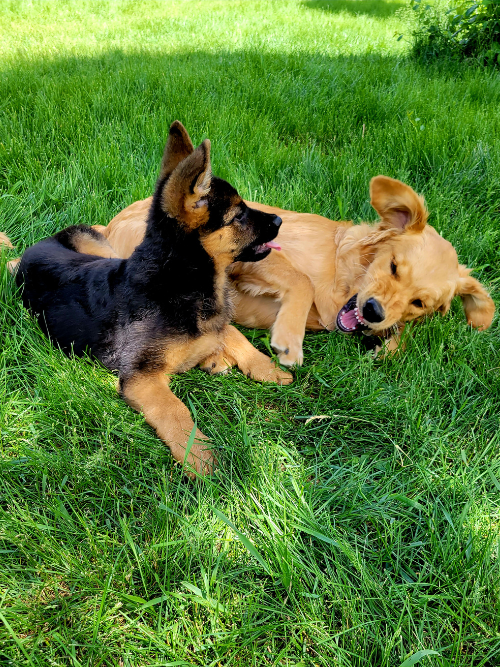
Understanding the Importance of Puppy Socialization
Ever wonder why some dogs are more relaxed around others? Early and thorough socialization is key. Socialization isn’t just about playdates at the dog park; it’s a crucial stage that impacts your puppy’s behavior, confidence, and overall pet health.
According to the American Kennel Club, socialization helps puppies learn dog body language, bite inhibition, and appropriate ways to interact with both people and animals. Early introductions can reduce the risk of fear, aggression, and other behavior problems later on. For more insights on effective puppy socialization techniques, explore some dedicated strategies and advice at dog hikes and socialization.
Benefits of Socialization for Your Puppy’s Behavior
Socialization acts as a vaccine against future behavioral challenges—prevention is always better than correction. When puppies learn to play politely and respect boundaries, they develop confidence and are less likely to show fear or aggression. This foundation also helps them remain calm in new environments, making outings—from dog agility events to therapy dog evaluations—more enjoyable. Proper puppy socialization ensures puppies feel comfortable around strangers, different dog breeds, and new situations.
Signs of Positive Michigan Puppy Socialization
- Loose, wagging tails: Shows friendly curiosity and comfort.
- Play bows: Invitation to play.
- Gentle mouthing: Teaches bite inhibition without causing harm.
- Happy facial expressions: Relaxed eyes and slightly open mouths indicate playfulness.
Keep an eye on your puppy’s body language to ensure they’re comfortable. A relaxed posture, wiggly movement, and soft expressions typically indicate a positive interaction.
Recognizing Stress Signals in Your Puppy
Not all interactions go smoothly. Recognizing signs of stress can help you intervene before conflicts escalate. Watch for flattened ears, tucked tails, excessive yawning, or panting when it’s not hot. Persistent barking, lip licking, and attempts to hide or escape can be signs your puppy is overwhelmed. If stress persists, it can lead to dog bite incidents or long-term fear issues.
The Critical Michigan Puppy Socialization Window
Timing is everything—especially when it comes to socializing your puppy. Experts emphasize that the critical Michigan puppy socialization window typically spans from 3 to 14 weeks of age. During this period, their brains are primed to absorb new experiences without excessive fear. However, always consider your puppy’s vaccination schedule and consult a veterinary professional to minimize disease risk before attending group meet-ups. For specific guidelines on socializing puppies, consider our puppy training classes.
Creating Positive Experiences for Your Puppy
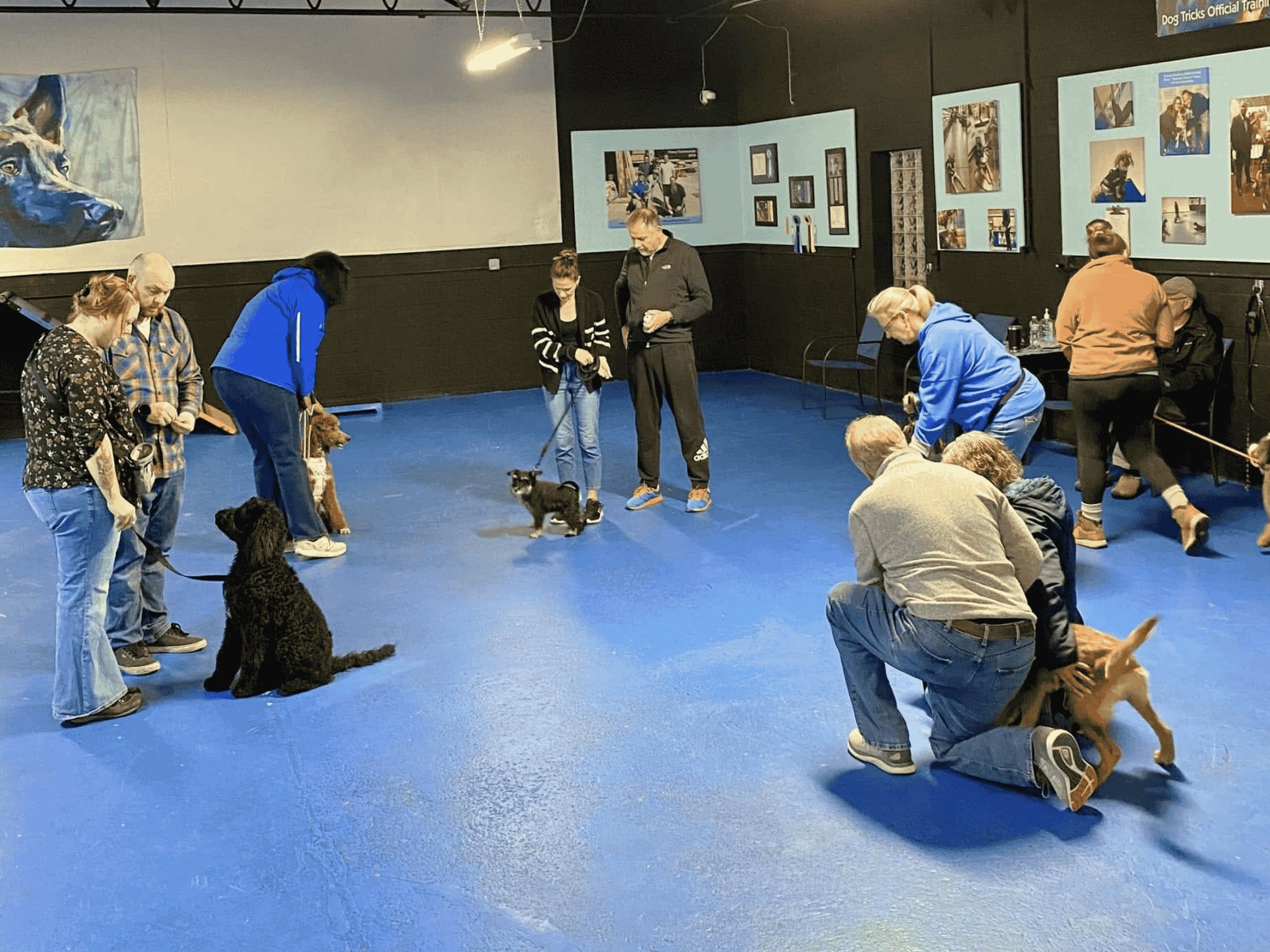
Building happy memories is crucial for successful Michigan Puppy socialization. Here’s how to make sure each new interaction is a positive one: dog puppy training classes
- Use treats and praise: Reinforcement helps solidify good behavior.
- Keep sessions short: Brief, controlled meetings prevent overwhelming your puppy.
- Stay patient: Each puppy has its own pace, especially if they’re naturally shy or from a sensitive breed like a Welsh Corgi or Collie.
Selecting the Right Dogs for Introductions
Not all dogs make suitable playmates. Choosing the right canine companions is essential for a positive experience. Look for well-mannered, friendly dogs with good social skills. A well-socialized Golden Retriever or a calm Spaniel, for instance, can make excellent “mentor dogs.”
Safe Environments for Puppy Meet-Ups
A stress-free location sets the stage for confident interactions and lowers risk. Clean, neutral spaces—like a friend’s fenced yard—often work best. Public dog parks can be unpredictable, as they may have dogs of varying temperaments. If using a dog park, visit during off-peak times or use a designated puppy area, if available.
Gradual Introductions to Other Dogs
Slow and steady wins the race—especially with puppy introductions. Use leashes or partitions (like a dog collar with a harness) for the first meeting to maintain control. Let the dogs sniff and observe each other from a distance. Gradually decrease the space between them if both puppies appear relaxed.
Using Treats and Toys to Encourage Interaction
Food and fun—two powerful tools to help your puppy see other dogs as friends rather than threats. Provide treats when your puppy calmly approaches another dog. If they both enjoy toys, engage them in shared play, like a supervised game of tug. This positive association can reduce fear and strengthen social bonds.
Monitoring Playtime for Safety
Happy wrestling can quickly turn into rough play—stay alert to keep things fun and safe. Regularly check both puppies’ body language. Pause play if it escalates into excessive barking or if one puppy repeatedly tries to escape. Short breaks help maintain a balance between excitement and safety.
Teaching Basic Commands for Better Socialization
“Sit,” “Stay,” and “Come” are more than just tricks—they provide security and reduce tension during puppy interactions. Using basic dog training commands helps guide behavior, especially if a situation becomes too intense. Reward your puppy with treats or praise when they follow commands, reinforcing their willingness to listen amid distractions.
Using Puppy Classes for Michigan Puppy Socialization
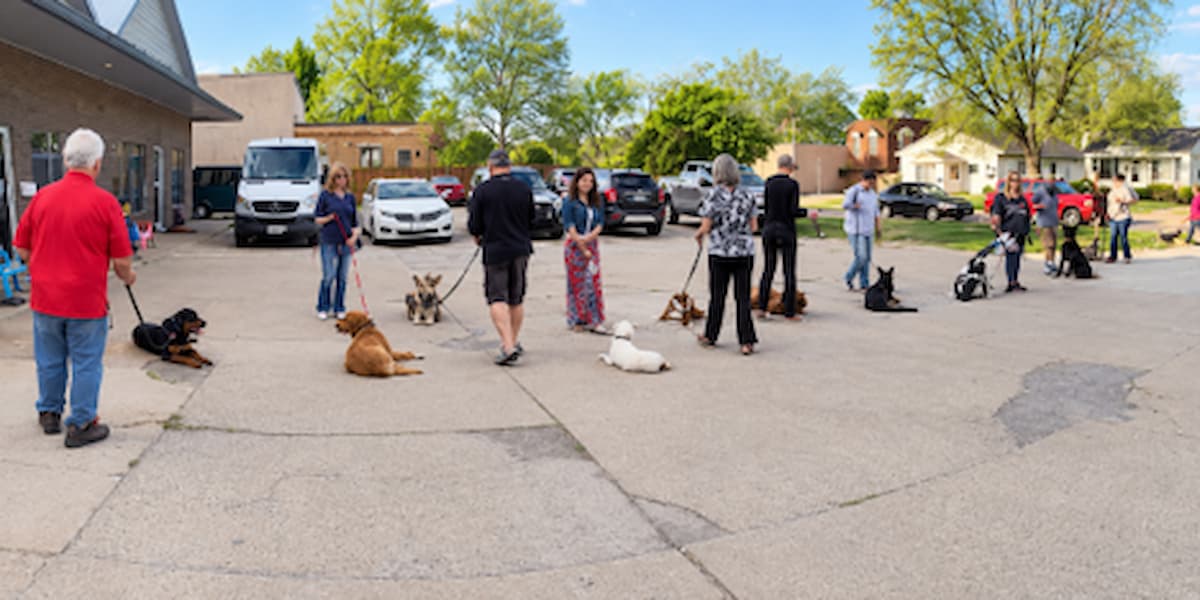
Structured settings with professional guidance can enhance your puppy’s social skills. Local puppy classes, often led by professional dog trainers, are an excellent way to introduce your puppy to peers in a safe, controlled environment. These classes might include clicker training, crate training tips, or even beginner dog agility courses.
Benefits of Puppy Kindergarten
Puppy Kindergarten offers more than just socialization—it also builds a foundation for lifelong learning. In these sessions, puppies can practice leash handling, crate training, and polite interactions under the guidance of an expert. Trainers can also help you navigate breed-specific behaviors, whether you have a German Shepherd, Siberian Husky, or a Terrier.
Exploring Group Play at Dog Parks
Dog parks can be a great experience, but preparation is key. Ensure your puppy’s vaccines (including those for distemper and kennel cough) are up to date. Observe the park’s environment: Is there a separate area for smaller breeds like a Cardigan Welsh Corgi? Are there park rules about dog collars and leashes? When managed responsibly, dog parks can boost your puppy’s confidence and social skills.
Seeking Out Breed-Specific Playdates
Some puppies find it easier to bond with similar-sized or similarly tempered peers. If you have a Herding Dog like a Collie or a scent hound like a Coonhound, connecting with other owners can help organize breed-specific meet-ups. Matching energy levels and play styles can make these gatherings a great way to reinforce social skills.
Training Your Puppy for Safe Interactions
Developing safe interactions relies on steady practice, positive reinforcement, and mindful Michigan puppy socialization. Whether you have a bold German Shepherd, a curious Welsh Corgi, or a shy puppy just starting out, all pups benefit from clear boundaries and consistent leadership. Teaching them basic protocols—such as not rushing toward another dog at a dog park—lays the groundwork for calm behavior.
Gradually exposing your puppy to new stimuli (including different breeds like huskies or spaniels) reduces the chance of overwhelming them or triggering aggression. Throughout training, avoid punishment-based tools like shock collars, which can heighten stress and erode trust. Instead, rely on clicker training, gentle guidance, and a supportive tone to encourage polite manners.
Implementing Desensitization Techniques
Fear can hinder socialization, but gradual exposure can help your puppy build confidence. Introduce your puppy to unfamiliar dogs or settings at a slow pace, rewarding calm behavior. Over time, their brain will associate new experiences with positive reinforcement rather than stress.
Reinforcing Training With Practice in New Settings
Variety keeps your puppy’s social skills sharp. Practice greetings and play sessions in different environments—friend’s houses, dog-friendly cafés, or training facilities. Exposing your puppy to new sights, sounds, and surfaces strengthens their adaptability. For those looking to further their puppy’s social training, puppy training classes offer a structured environment to develop these skills.
Encouraging Safe Play Styles
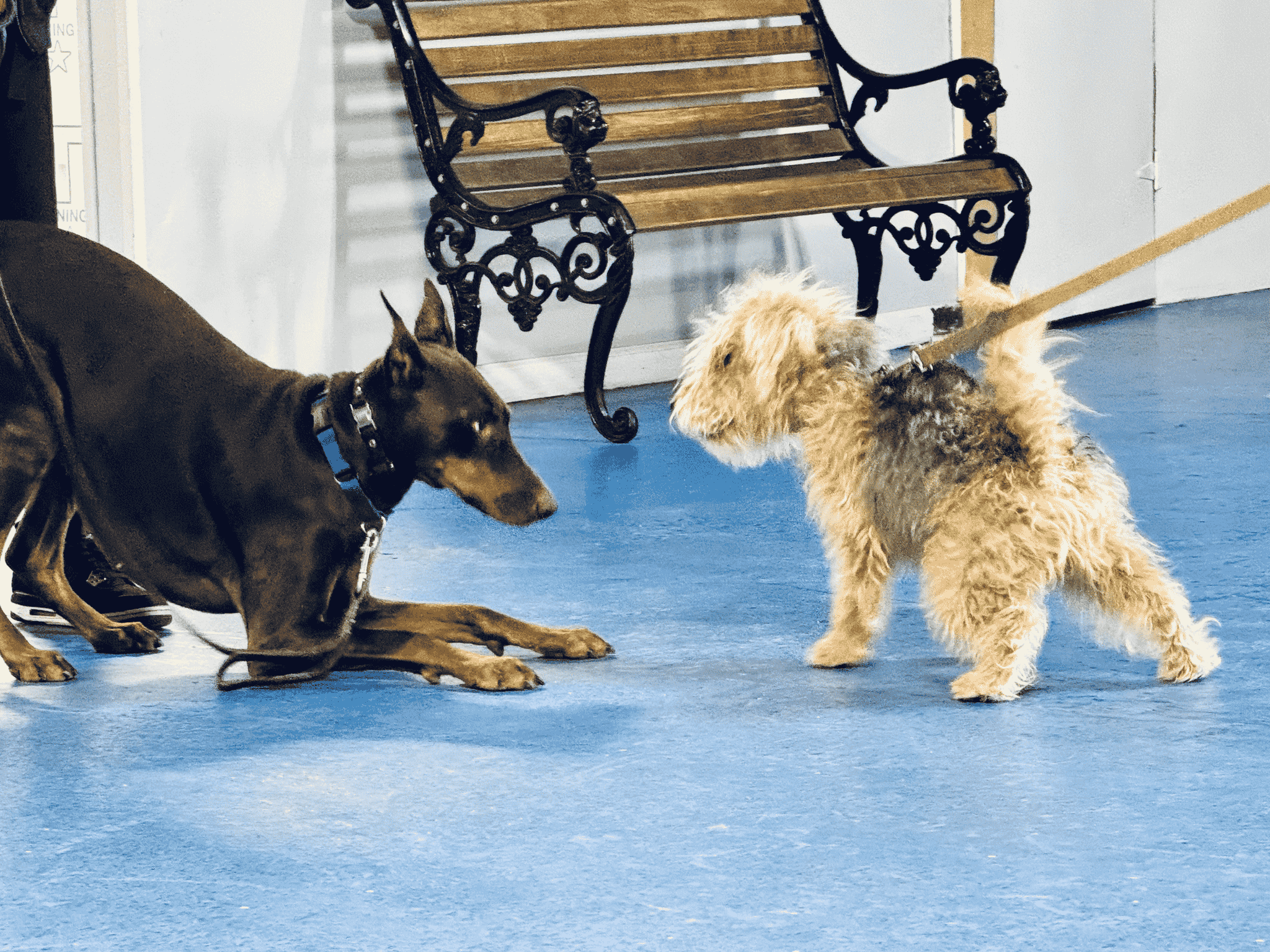
Some dogs love a good chase, while others prefer gentle wrestling. Understanding your puppy’s play style helps ensure safe and enjoyable interactions while preventing potential conflicts. Supervision is key, as different breeds and temperaments require different levels of guidance.
Puppies should engage in reciprocal play, where both dogs are comfortable and willing participants. If one dog consistently dominates the game, interrupts breaks, or becomes too rough, it’s time to step in and redirect attention.
Here’s a closer look at different play styles and how to manage them effectively:
- Chase-play: Common in herding breeds like Border Collies and Cardigan Welsh Corgis, chase games mimic their instinct to control movement. Ensure both dogs take turns being the chaser and the chased, as one-sided chasing can lead to stress or fear. If a puppy repeatedly tries to escape without re-engaging, separate them and allow a calmer approach.
- Wrestling: Often seen in Retrievers and Mastiffs, this type of play involves playful body contact. While it can be fun and harmless, excessive mouthing or pinned-down moments can create tension. Look for signs of discomfort, such as stiffened posture or avoidance, and intervene if necessary.
- Tug-of-war: A favorite among many breeds, tugging games help build confidence but require clear rules. Teaching the “drop it” command prevents competition from escalating into resource guarding. Always use sturdy toys designed for tugging to protect their teeth and avoid accidental injury.
Regardless of the type of play, keep an eye on body language, energy levels, and vocalizations. Growling or barking during play is often normal, but if a dog appears tense, stiff, or overly aggressive, it’s time for a short break. Regularly encouraging polite interactions and structured playtime will help your puppy develop strong social skills and positive behaviors. For more details on this, you can read about puppies what age to start obedience training.
Seeking Professional Guidance for Persistent Issues
If persistent fear, aggression, or socialization struggles arise, consider working with a professional dog trainer. They can assess temperament, create a behavior modification plan, and provide expert advice.
A Path to a Confident, Well-Adjusted Dog
Helping your puppy grow into a well-socialized adult is an ongoing process that relies on patience, reinforcement, and careful observation. Whether your goal is raising a therapy dog, an assistance dog, or simply a friendly companion, consistent training and positive experiences will set your puppy up for lifelong success. For more detailed guidance on starting obedience training at the right age, consider exploring resources that specialize on when to start obedience training for puppies.