Cultivating Confident Companions: Essential Socialization for Service Dogs
Thoughtful, early socialization is the bedrock of a service dog’s journey, shaping them into poised partners adept at navigating varied settings with unwavering focus. Introducing puppies to the world during their formative weeks builds a foundation of confidence, preempting future anxieties and reactive tendencies. This is critical in service dog training.
This guide explores the ideal timing for socialization, proven training methods like positive reinforcement and dog puppy training classes, public access preparation, solutions for behavioral challenges, and lifelong enrichment strategies—all with resources for expert support.
Understanding the Critical Socialization Period
The critical socialization period spans approximately from week 3 to week 14. During this time, puppies have an enhanced capacity for learning and a reduced tendency toward fear of new experiences. Strategic exposure to diverse environments and interactions during this time helps hardwire confidence and adaptability.
Preventing Future Behavioral Issues
Early exposure introduces puppies to potential stressors before fear patterns develop. For example, pairing the sound of a vacuum cleaner with treats or toys teaches a puppy to associate the noise with something positive, which can prevent anxiety, barking, or avoidance behaviors later on.
Scott, J. P., & Fuller, J. L., Genetics and the Social Behavior of the Dog (1965)
What Are the Key Components of a Puppy Socialization Plan?
A thorough puppy socialization plan ensures systematic exposure to crucial stimuli. Introducing each element through brief, positive interactions helps build comfort without overwhelming the puppy.
| Stimulus | Exposure Method | Objective |
|---|---|---|
| Household Sounds | Play recordings at a low volume initially | Prevent noise sensitivity |
| Diverse People | Introduce individuals of varying ages and appearances | Encourage confident interactions |
| Varied Surfaces | Walk on grass, tile, wood, carpet | Reduce surface-related anxieties |
| Veterinary Handling | Simulate grooming and examination procedures | Build tolerance for medical care |
| Other Animals | Arrange controlled, vaccinated interactions | Promote calm behavior around other animals |
Introducing these exposures in a structured manner prepares a puppy for more advanced training. Consistent application of this plan transitions smoothly into specialized socialization techniques.
What Core Training Techniques Enhance Service Dog Socialization?
Implementing reward-based methods, gradual desensitization, counter-conditioning, and purposeful play refines a service dog’s social capabilities. These training techniques foster positive associations, mitigate fear responses, and support cognitive enrichment—all essential for reliable performance in real-world scenarios.
Using Positive Reinforcement
Rewarding calm or curious behavior with treats or praise reinforces a positive attitude toward new experiences. This technique strengthens trust between the handler and the dog and helps develop focus and confidence.
Desensitization and Counter-Conditioning
Desensitization means slowly introducing low-intensity versions of a stimulus that might cause fear. As the dog becomes comfortable, intensity is increased gradually. Counter-conditioning pairs something pleasant with a stressful stimulus, helping change the dog’s emotional response. For instance, giving a dog their favorite toy when a car passes by can reduce noise reactivity.
Structured Play for Confidence Building
Interactive play helps reinforce social skills while practicing obedience in a fun, low-pressure setting. Games like hide-and-seek or find-it can improve focus and communication between dog and handler, enhancing the dog’s emotional stability.
Lindsay, S., Handbook of Applied Dog Behavior and Training, Volume 1: Adaptation and Learning (2000)
How Can Service Dogs Be Prepared for Successful Public Access?
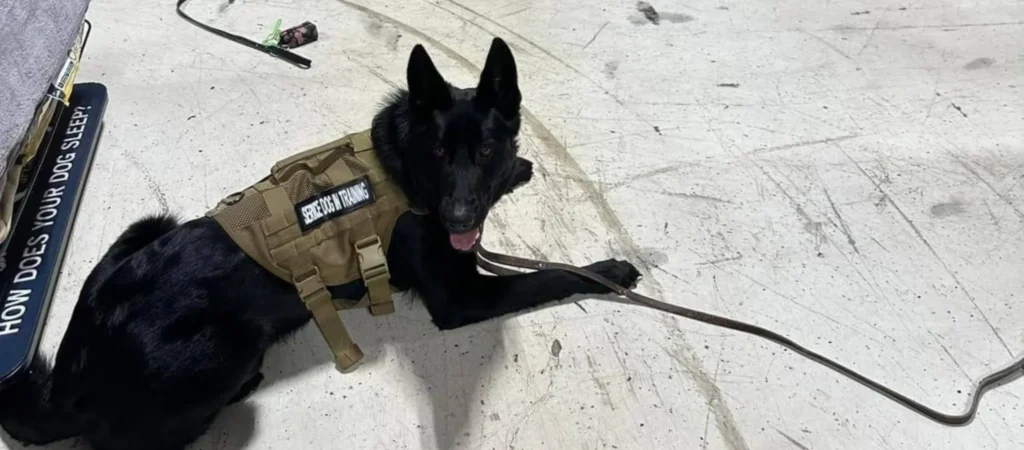
Public access training ensures service dogs can perform their tasks reliably in bustling environments without becoming distracted. Combining distraction proofing, gradual acclimation, standardized assessments, and legal compliance training prepares dogs for the demands of venues covered by regulations like the service dog training.
Distraction-Proofing in High-Stimulus Environments
Training dogs to stay calm and focused even when surrounded by crowds, food smells, or other dogs ensures they can perform reliably in public. Reinforcing focus amid distractions helps maintain safety and efficiency.
Step-by-Step Public Exposure
Begin with quiet settings and gradually move to more challenging environments. A typical progression includes:
- Quiet backyard
- Empty park
- Sidewalk with moderate foot traffic
- Busy store or mall
Each level builds on the last, with a focus on calm behavior and responsiveness.
What Are the Key Criteria for Passing a Public Access Test?
Service dogs must consistently demonstrate obedience, calmness, and task proficiency across standard public access scenarios. The table below outlines the core evaluation criteria.
| Requirement | Standard | Evaluation Method |
|---|---|---|
| Leash Manners | Walks calmly at heel without pulling | Observed during a 100-foot walk |
| Ignoring Distractions | Remains focused despite the presence of food or noises | Distraction simulation test |
| Task Performance | Executes trained tasks upon command | Handler-demonstrated tasks |
| Gate & Door Navigation | Waits patiently and passes through calmly | Controlled entry/exit scenario |
| Public Courtesy | Does not bark, jump, or solicit attention | Evaluator interaction with passersby |
Meeting these benchmarks confirms a dog’s readiness for everyday environments. The Americans with Disabilities Act further details access rights and behavioral expectations that guide training protocols.
How Does ADA Compliance Shape Public Access Training?
ADA compliance informs handler-dog teams about their legal rights and expected behavior standards in public venues. Training aligns with ADA guidelines to ensure service dogs do not disrupt other patrons or pose safety risks, reinforcing the handler’s responsibility to maintain appropriate public conduct.
Americans with Disabilities Act (ADA) (1990)
Mastering public access training integrates seamlessly with ongoing socialization strategies, empowering handlers to confidently leverage their service dog’s full potential.
What Are the Most Common Socialization Hurdles for Service Dogs?
Even with the best intentions, socialization efforts can encounter challenges such as anxiety, fear-driven reactivity, aggression, or inconsistency stemming from handler influence. Identifying and addressing these issues early on can prevent setbacks and support lasting behavioral well-being.
Identifying Dog Anxiety
Symptoms of anxiety in dogs may include pacing, panting, trembling, or avoidance. Effective techniques to manage these include:
- Deep Pressure Therapy with vests or weighted blankets
- Predictable exposure schedules
- Relaxation cues like a touch or word to settle the dog
Addressing Reactivity and Fear
Handlers can apply:
- Distance training: Exposing dogs to triggers at a safe distance
- Marker training: Reinforcing calm behavior with a cue and reward
- Enrichment: Using toys, sniffing games, or agility to reduce stress
Preventing Aggressive Behaviors
Early bite inhibition, careful dog introductions, and knowing stress thresholds help ensure safe social interactions.
Role of Handler Behavior
Handler consistency, calmness, and leadership directly influence a dog’s ability to succeed in new environments. Education and awareness are key to maintaining effective communication and training progress.
How Can Socialization Be Maintained Throughout a Service Dog’s Career?
Socialization is an ongoing process that adapts as service dogs mature, take on new tasks, and encounter evolving environmental demands. Incorporating advanced exercises, continuous exposure, and trust-building routines helps preserve skills and supports mental well-being throughout a dog’s working life.
What Are Advanced Socialization Exercises for Working Service Dogs?
Mature service dogs benefit from more complex exercises, such as:
- Distraction Blending – Combining multiple stimuli (e.g., crowd noise plus food) while reinforcing handler focus.
- Complex Public Scenarios – Practicing tasks in environments like airports, public transit, or busy hospital corridors.
- Role-Reversal Training – Allowing controlled “play” sessions where the handler initiates obedience cues to reinforce engagement.
These drills challenge a dog’s adaptability and help maintain their motivation. At Michigan Dog Training, these types of exercises are incorporated into customized training plans that mirror real-life experiences. Their programs are designed to support the development of calm, confident, and highly adaptable service dogs through progressive socialization scenarios tailored to each team’s needs.
How Do You Maintain Socialization Throughout a Service Dog's Career?
As service dogs grow and take on more responsibilities, their socialization needs evolve too. It’s not just about maintaining good behavior—it’s about keeping their confidence sharp, their minds active, and their bond with their handler strong. Long-term success depends on consistent exposure, ongoing enrichment, and proactive support from both the handler and trusted professionals.
Advanced Socialization Exercises
- Distraction layering: Combining noise, people, and movement
- Role-reversal games to reinforce obedience
- Scenario practice in airports or public transportation
Ongoing Exposure and Enrichment
Regular experiences in varied settings prevent burnout and keep service dogs mentally engaged. Introducing new environments keeps learning active and builds confidence.
Maintaining Trust and Performance
- Keep up with refreshers on basic skills
- Use journals or apps to track progress
- Maintain reward schedules to keep motivation high
What Are the Mental Health Benefits of Proper Service Dog Socialization?
Effective socialization not only refines a service dog’s behavior but also nurtures their psychological resilience. Well-socialized dogs exhibit lower baseline anxiety, greater adaptability to new environments, and stronger bonds with their handlers.
Reduced Anxiety and Better Emotional Regulation
Well-socialized dogs are calmer and recover more quickly from stress. This is critical for service dogs working in high-demand situations.
Increased Handler Independence
Reliable service dogs allow handlers to move freely in public without anxiety or fear of disruptions. Their stability enhances the quality of life and supports emotional well-being.
Key Statistics That Support the Importance of Socialization
| Metric | Value | Source |
|---|---|---|
| Service dogs successfully completing training | Approximately 30 percent | Industry training statistics |
| Market growth rate for service dog programs | 5.6 percent CAGR (2023–2033) | Market research forecasts |
| Average training cost range | $7,000–$25,000 | National service dog surveys |
These figures indicate that robust socialization protocols correlate with higher graduation rates, increased program investment, and improved cost-effectiveness over time.
Recognizing these mental health benefits underscores why professional dog training remains a cornerstone of successful service dog partnerships.
Where Can Handlers Find Support and Resources?
To ensure lasting success with socialization and public access training, it’s important for handlers to have access to reputable programs, guidance, and tools. In Michigan, there are several expert-backed options that provide ongoing support tailored to the unique needs of service dogs and their handlers.?
Trusted Organizations and Certifications
- Assistance Dogs International (ADI)
- American Kennel Club (AKC) Canine Good Citizen
- Certified Professional Dog Trainer (CPDT) programs
Accessing Expert Support in Michigan
Michigan Dog Training offers dedicated service dog training programs that focus not only on essential obedience and task work but also on socialization. Their structured curriculum includes real-world scenarios designed to build confidence, trust, and calm behavior in a variety of public and home environments. Through personalized plans and experienced trainers, dogs learn how to behave appropriately around people, animals, and distractions, which is vital for reliable service work.
Their programs incorporate positive reinforcement methods and customized learning styles to support both the dog and handler’s success. Whether your dog needs help building polite social habits or advanced public access training, Michigan Dog Training provides the expert support necessary for long-term results.
Proper dog socialization is the foundation of a dependable service dog. It reduces anxiety, builds trust, and prepares dogs for real-world challenges. The professional programs at Michigan Dog Training help guide this journey with expert support every step of the way. Learn more and get started by visiting Michigan Dog Training’s Service Dog Training page.