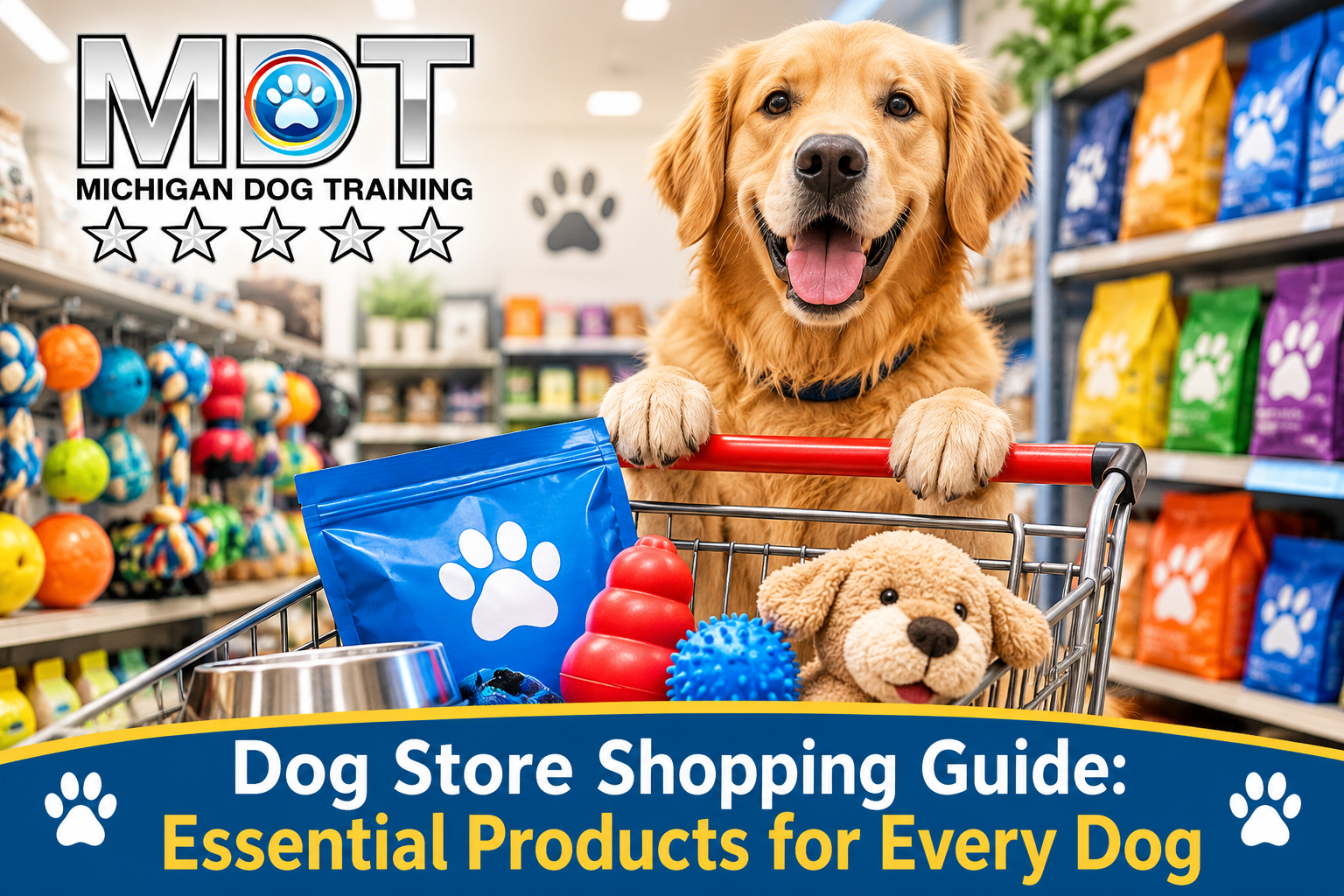
A dog store offers essential products that support your pet’s health, comfort, safety, and happiness, from nutritious food and durable toys to grooming supplies and walking gear.
By choosing high-quality, age-appropriate products, you can meet your dog’s daily needs while making pet care easier and more enjoyable.
Introduction
Bringing home a dog means more than providing food and shelter—it means creating a safe, healthy, and happy environment. Whether you have a playful puppy or an older companion, choosing the right products can make everyday care easier and more enjoyable. A well-stocked dog store offers everything from nutritious food and comfortable beds to grooming supplies, toys, collars, and training essentials. However, with so many options available, knowing what your dog truly needs can feel overwhelming. This dog store shopping guide highlights the essential products every dog owner should consider, helping you shop smarter, support your pet’s well-being, and strengthen the bond you share.
1. Start With the True Dog Essentials
Before buying extras, focus on everyday necessities. Food and water bowls, a comfortable bed, a properly fitted collar or harness, a sturdy leash, identification tags, waste bags, and suitable food should top your list. Consider your dog’s size, age, strength, and lifestyle when selecting products to ensure comfort, safety, and practical daily use.
2. Choose the Right Food and Feeding Supplies
Choose sturdy, easy-to-clean food and water bowls that suit your dog’s size and eating habits. Non-slip bases can help prevent messes. Store food in sealed containers to preserve freshness, and keep treats organized. Always select food according to your dog’s age, activity level, dietary needs, and veterinarian’s recommendations.
3. Build a Comfortable Sleeping and Relaxation Area
Give your dog a comfortable place to rest and relax. Choose a bed based on size, sleeping position, age, and chewing habits. Senior dogs may need additional support, while puppies often need washable, durable options. A properly introduced crate can also provide a secure retreat and support positive training routines.
4. Pick Walking Gear That Combines Comfort and Safety
Reliable walking equipment makes daily outings safer and more enjoyable. Choose collars, harnesses, and leashes based on your dog’s size, strength, and walking habits. Check the fit carefully to prevent discomfort or escape. Keep identification tags updated, and consider reflective accessories for better visibility during early-morning or evening walks.
5. Stock Up on Grooming and Hygiene Products
Regular grooming helps maintain your dog’s coat, manage shedding, and support cleanliness. Select brushes, combs, dog-safe shampoo, nail-care tools, towels, and wipes according to coat type. Keep waste bags and cleaning supplies available for everyday messes. Always use products specifically designed for dogs, especially around their eyes, ears, and mouth.
6. Add Toys That Support Exercise and Mental Stimulation
Choose toys that encourage physical activity, mental stimulation, appropriate chewing, and interactive play. Consider balls for fetch, durable toys for chewing, and puzzles for problem-solving. Rotate toys to maintain interest and inspect them regularly for damage. Replace broken or loose pieces promptly to reduce potential choking or swallowing hazards.
7. Don’t Overlook Training and Enrichment Supplies
Training supplies can make learning easier and more engaging. Consider treat pouches, suitable rewards, clickers, mats, puzzles, and interactive toys. Use these tools to support positive training and enrichment throughout everyday routines. However, products alone cannot resolve serious behavioral challenges, so professional guidance may be useful when problems persist.
8. Prepare for Travel, Safety, and Everyday Adventures
Traveling with your dog requires preparation and appropriate equipment. Useful supplies may include a secure carrier or crate, portable water bowl, food container, leash, waste bags, towel, and comfort item. Keep an emergency kit containing food, water, records, medication information, and spare equipment so you are prepared for unexpected situations.
9. Shop According to Your Dog’s Age and Lifestyle
Every dog has different needs based on age, size, activity level, personality, and routine. Puppies may need safe chewing toys and training supplies, while seniors may benefit from supportive bedding and gentle grooming tools. Consider your dog’s favorite activities and daily habits when choosing Pet supplies that provide genuine value.
10. Quality Beats Quantity: Shop Smarter at a Dog Store
Buying more products does not always mean providing better care. Focus on durable, safe, comfortable, and practical items your dog will actually use. Compare sizing, materials, cleaning requirements, and safety features before purchasing. A reliable Dog store can help you find useful products suited to different stages of dog ownership.
- Check product measurements before purchasing.
- Prioritize durability and safety over appearance.
- Choose items that match your dog’s lifestyle.
- Replace worn or damaged products promptly.
- Avoid unnecessary accessories that your dog rarely uses.
Create a Personalized Dog Shopping Checklist
Create a personalized checklist before shopping to avoid unnecessary purchases. Organize items into feeding, walking, sleeping, grooming, training, toys, travel, and safety categories. Mark each product as essential, useful, or optional. Update the list as your dog grows, develops new preferences, or needs replacement products over time.
Conclusion
Choosing the right products from a dog store can make everyday life healthier, safer, and more enjoyable for your furry friend. From nutritious food and comfortable beds to durable toys, grooming supplies, collars, and training essentials, every item should match your dog’s age, size, lifestyle, and needs. However, great products work best when combined with proper care and training. For professional guidance, Michigan Dog Training can help your dog develop better manners, confidence, and obedience. With the right supplies and expert training, you can create a happier, healthier environment where your dog can thrive and enjoy every day.
FAQs
Q: What are the most important things to buy for a new dog?
A: Start with food and water bowls, appropriate food, a collar or harness, leash, ID tag, comfortable bed, grooming supplies, waste bags, age-appropriate toys, and suitable training rewards. A crate or travel carrier can also be useful depending on your dog’s routine.
Q: How do I choose the right dog products?
A: Consider your dog’s age, size, breed characteristics, activity level, personality, and specific needs. Always check product measurements and safety information before purchasing. Choose quality and functionality over simply buying the most products.
Q: Does every dog need a crate?
A: Not necessarily, but a properly sized crate can be a useful tool for many households. It can provide a secure resting area and support certain training and travel routines. Introduce it gradually and keep the experience positive.
Q: How many toys should a dog have?
A: There is no universal number. A few different toys can provide plenty of enrichment if they match your dog’s interests. Consider having a combination of interactive, chew, fetch, and mentally stimulating toys, then rotate them to maintain interest.
Q: What grooming supplies should every dog owner have?
A: Most owners should have at least one grooming tool appropriate for their dog’s coat, dog-safe shampoo, towels, and nail-care supplies. The exact products depend on coat type, grooming needs, and your dog’s tolerance for at-home grooming.
Q: Should I buy expensive dog accessories?
A: Price alone does not determine quality. Look for safe materials, proper sizing, durability, ease of cleaning, and practical design. A reasonably priced product that suits your dog’s needs can be a better choice than an expensive item your dog never uses.
Q: What should I keep in a dog travel kit?
A: A travel kit can include a leash, water and food containers, food, waste bags, towels, a secure carrier or travel crate when appropriate, a familiar comfort item, and important contact or veterinary information. Adjust the kit based on the length and type of trip.
Q: When should I replace my dog’s supplies?
A: Replace items when they become damaged, excessively worn, too small, or unsafe. Inspect toys, collars, leashes, harnesses, beds, and grooming tools regularly. Puppies may also need replacement equipment as they grow.
Q: Can dog toys help with behavior?
A: Appropriate toys can provide exercise, chewing outlets, and mental stimulation, which may help reduce boredom-related behaviors. However, toys are not a substitute for professional training when a dog has persistent or serious behavior challenges.
Q: What is the best way to shop at a dog store?
A: Make a list before shopping, prioritize essentials, measure your dog, compare materials and durability, and avoid buying products solely because they look appealing. Start with what your dog genuinely needs and add extras gradually.