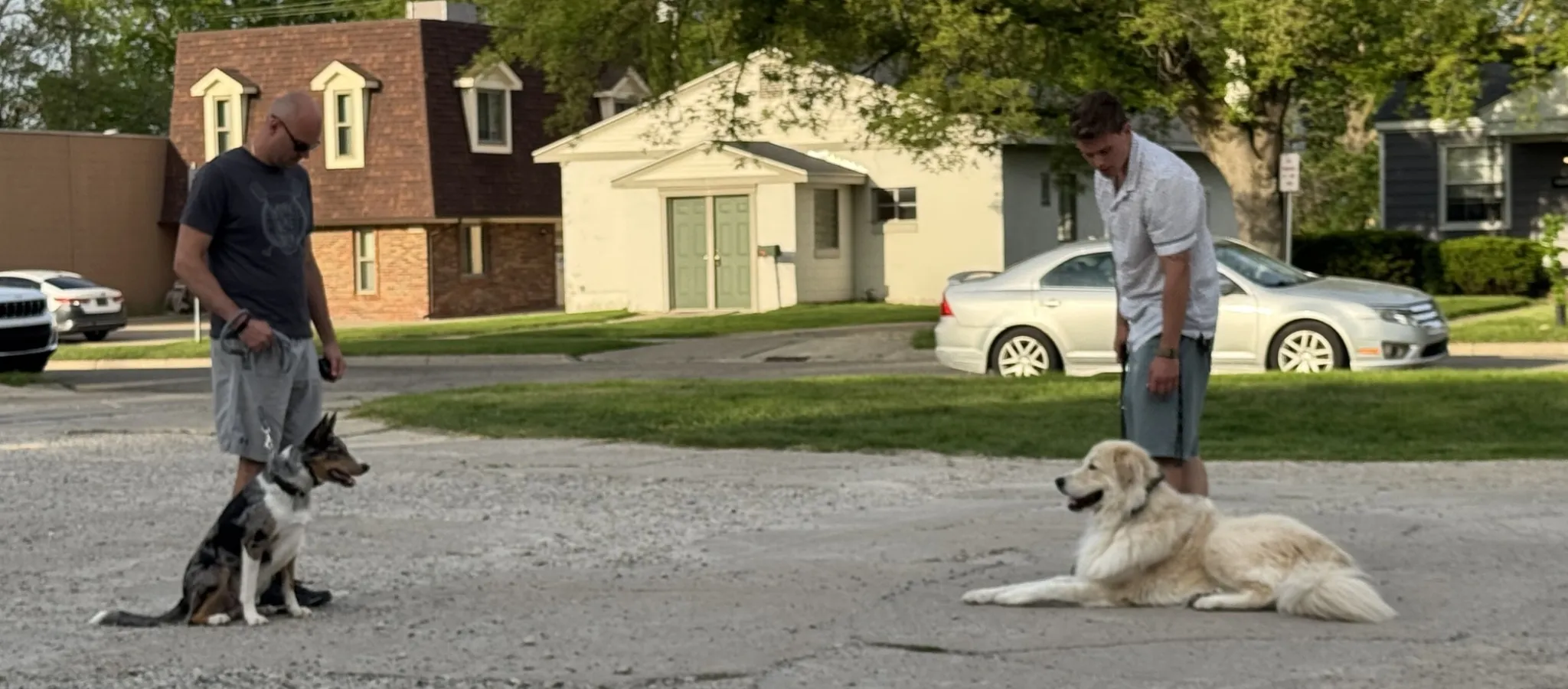

Choosing the right dog day training program means considering your pet’s age, behavior, temperament, and specific training needs. Look for experienced trainers, positive reinforcement methods, personalized sessions, and a program that keeps you involved in your dog’s progress.
Introduction
Choosing the right dog day training program can make a meaningful difference in your pet’s behavior, confidence, and overall well-being. With so many training options available, it can be challenging to know which program best matches your dog’s personality and needs. A quality dog day training program should provide professional guidance, positive reinforcement, structured activities, and plenty of opportunities for your pet to practice essential skills. Additionally, experienced trainers should understand different breeds, temperaments, and behavioral challenges. By considering the trainer’s experience, training methods, daily routine, communication, and program goals, you can confidently select a program that helps your dog learn, grow, and thrive.
Start by Understanding What Day Training for Dogs Really Means
Day training for dogs is designed to provide structured training during the day while allowing your pet to return home afterward. Depending on the provider, your dog may spend several hours working with a professional trainer on obedience, manners, leash skills, social behaviors, or specific challenges. This arrangement can be especially convenient for owners who work during the day and want their dogs to receive meaningful training rather than simply staying home alone.
The key difference between day training and a standard obedience class is the amount of individualized attention. Instead of attending a class where the trainer must divide time among several owners and dogs, your pet may receive more focused instruction. At the same time, you remain involved because your dog comes home regularly. This allows you to practice the same commands and routines in your own environment, which is essential for long-term success.
Identify Your Dog’s Specific Training Needs
Before choosing a Dog day training program, identify your dog’s specific needs and training goals. Consider their age, behavior, personality, and challenges, such as obedience, leash walking, socialization, or managing distractions. A good trainer should tailor the program to your pet’s individual needs.
Some important training needs to consider include:
- Basic obedience: Sit, stay, come, place, and other essential commands.
- Leash manners: Reducing pulling and teaching your dog to walk calmly.
- Impulse control: Helping your dog remain patient and respond appropriately.
- Polite greetings: Teaching your pet not to jump on visitors or people.
- Focus and confidence: Helping your dog stay attentive and feel comfortable in different environments.
- Social behavior: Improving appropriate interactions with people and other dogs.
- Specific behavioral concerns: Finding a trainer experienced with challenges similar to your dog’s.
If your dog has more complex behavioral issues, ask whether the trainer has experience handling those specific concerns. A program focused mainly on puppy obedience may not be appropriate for an adult dog with serious behavioral challenges. Therefore, matching your pet’s individual needs with the trainer’s experience is an important step toward successful training.
Look for Experienced and Qualified Trainers
When choosing Professional dog training, look for a trainer with proper experience, education, and certifications. Ask about their experience with different breeds, ages, and temperaments to ensure they can understand your dog’s unique needs.
A skilled trainer should use humane, effective methods and adapt their approach when needed. They should also clearly explain their training techniques and focus on teaching good behavior rather than using fear or intimidation.
Evaluate the Training Methods Before You Enroll
Before enrolling your pet, ask the trainer how they train and what techniques they use. Choose a Dog day training program that focuses on humane, consistent, and effective methods tailored to your dog’s individual needs.
Important factors to consider include:
- Training techniques: Ask how desired behaviors are taught and unwanted behaviors are addressed.
- Positive reinforcement: Look for appropriate rewards that encourage good behavior.
- Consistency: Training should use clear commands and achievable goals.
- Individual approach: Methods should reflect your dog’s age, personality, motivation, and learning history.
- Humane handling: Your pet should always be treated with patience, care, and respect.
Ask What a Typical Training Day Looks Like
Do not hesitate to ask for a detailed explanation of what your dog will do during a typical day. The phrase “day training” can mean different things depending on the provider. Some programs may involve dedicated one-on-one sessions, while others may combine training with structured activities, play, rest, and supervised social interaction.
Ask how many actual training sessions your dog receives and how long each session lasts. Also find out where the training occurs. Training in a controlled facility can be useful, but exposure to realistic environments can also help dogs transfer their skills into everyday situations.
For example, a dog that performs a perfect “stay” inside a quiet room may struggle when a guest enters the home or when another dog walks nearby. A well-rounded program should gradually introduce appropriate distractions so your pet can learn to apply skills outside the training environment.
Check Whether the Program Includes Owner Education
A good Dog training during the day program should also teach you how to continue your dog’s training at home. Look for programs that provide progress updates, demonstrations, homework, or owner-training sessions.
Consistency is essential once your dog returns home. Everyone in the household should use the same commands and expectations to reinforce learned behaviors and help your pet make lasting progress.
Consider the Program’s Approach to Socialization
Socialization can be valuable, but it should not simply mean putting several unfamiliar dogs together and hoping they interact well. Ask how the program manages dog-to-dog interactions and whether social activities are supervised carefully.
Some dogs are naturally social, while others may become overwhelmed around unfamiliar animals. A responsible trainer should evaluate temperament before deciding whether group interaction is appropriate. Dogs should also have opportunities to rest because excessive stimulation can make learning more difficult.
A strong Day school dog training program should balance training, mental stimulation, physical activity, and downtime. Your pet should not be exhausted simply for the sake of being tired. The goal is to create productive learning experiences while keeping the dog comfortable and engaged.
Pay Attention to Safety, Cleanliness, and Daily Care
Training quality is important, but your dog’s physical safety should come first. Before enrolling, ask about supervision, facility security, vaccination requirements, emergency procedures, feeding schedules, and how dogs are separated when necessary.
If possible, visit the facility before making a commitment. Observe whether the environment appears organized and clean. Pay attention to how staff interact with the dogs. Are they calm and attentive? Do they recognize signs of stress? Do they handle dogs patiently?
Also ask what happens if your dog becomes sick or injured. A professional operation should have clear procedures for emergencies and should know how to contact you if something unexpected occurs. These details may seem minor initially, but they can make a major difference when you are trusting someone with your pet.
Compare Training Plans, Not Just Prices
Cost is important, but the cheapest option may not always provide the best value. Compare what each program includes, such as assessments, personalized sessions, progress reports, and follow-up support.
A slightly more expensive program may be worthwhile if it offers more individualized attention and guidance. Always consider the overall quality and benefits instead of focusing only on the price.
Also, avoid trainers who promise instant results or guarantee that every behavior will disappear within a certain number of days. A trustworthy trainer should set realistic expectations based on your dog’s age, temperament, experience, and training needs.
Ask About Progress Tracking and Communication
Communication between trainers and owners can have a major impact on the experience. Before signing up, ask how often you will receive updates and what those updates include.
Will the trainer send notes about your dog’s progress? Will you receive videos or demonstrations? Can you ask questions between sessions? Will the trainer explain which behaviors need additional practice?
These details help you stay connected to your pet’s training journey. They also allow you to notice areas where additional work may be necessary. For example, your dog might improve quickly with basic obedience but need additional practice around distractions.
Regular communication turns training into a partnership rather than a service where you simply drop off your dog and wait for results.
Make Sure the Program Fits Your Dog’s Personality
Every dog has a different temperament. Some dogs are confident and eager to learn, while others are cautious or easily distracted. Some love working for food, while others respond better to toys, praise, movement, or access to something they enjoy.
A quality Dog day training program should consider these differences. Ask how the trainer evaluates a dog before creating a training plan. An initial assessment can help identify strengths, challenges, motivation, and appropriate training strategies.
You should also be honest about your dog’s behavior. If your pet becomes nervous around strangers, guards resources, or reacts strongly to other dogs, tell the trainer before training begins. Accurate information allows the professional to create a safer and more effective approach.
Wrapping Up
Choosing the right dog day training program means looking beyond price and focusing on your dog’s personality, behavior, training goals, and daily needs. A quality program should provide structured training, professional guidance, real-world practice, and support for maintaining progress at home. Michigan Dog Training offers customized Day Training programs designed around each dog’s individual needs, with options ranging from four to eight weeks. Their trainers work on obedience, manners, confidence, impulse control, and behavior while helping owners continue those skills at home. With the right program, your dog can become calmer, more confident, responsive, and easier to enjoy every day.
FAQs
Q: What is a Dog day training program?
A: A Dog day training program allows a dog to spend part of the day receiving professional training before returning home. Programs may focus on obedience, manners, leash skills, impulse control, socialization, and other individualized goals.
Q: Is day training better than group dog training classes?
A: Neither option is automatically better for every dog. Day training may provide more individualized attention, while group classes can provide controlled opportunities to practice around other dogs and people. Your choice should depend on your dog’s needs, your schedule, and your training goals.
Q: How long does Day training for dogs take?
A: The timeline varies based on the dog’s age, temperament, previous training, and behavioral goals. Basic obedience may develop relatively quickly, while complex behaviors often require ongoing practice and reinforcement.
Q: Can puppies participate in day training?
A: Yes, many puppies can benefit from structured training. Puppy programs may focus on foundational obedience, household manners, leash skills, handling, confidence, and age-appropriate socialization.
Q: Will my dog remember everything learned during the day?
A: Dogs need consistent reinforcement to maintain new behaviors. Your involvement at home is essential. Practicing the trainer’s recommended exercises regularly can help your dog transfer skills from the training environment into everyday situations.
Q: What should I ask a dog trainer before enrolling?
A: Ask about the trainer’s experience, methods, daily schedule, safety procedures, individualized training plans, communication practices, pricing, progress tracking, and owner involvement. Also ask how they handle the specific behaviors you want to improve.
Q: Is Professional dog training worth the cost?
A: Professional training can be valuable when you need expert guidance, have limited time, or are dealing with behaviors that are difficult to address independently. The value depends on the trainer’s quality, the program’s structure, and your willingness to continue the training at home.
Q: What makes a good Day school dog training program?
A: A strong program should provide qualified trainers, individualized goals, appropriate training methods, safe supervision, clear communication, progress updates, and guidance for owners. It should also recognize that every dog learns differently.
Q: Can Dog training during the day help with behavior problems?
A: It can help address many training-related behaviors, particularly when the program is customized to the dog’s needs. However, more serious or complex behavior concerns may require specialized behavioral support and a carefully designed plan.
Q: How can I tell whether my dog is enjoying the program?
A: Look for signs such as willingness to engage, relaxed body language, enthusiasm for training, and gradual improvement. Your trainer should also communicate if your dog appears stressed, overwhelmed, or uncomfortable, and adjust the training approach when necessary.