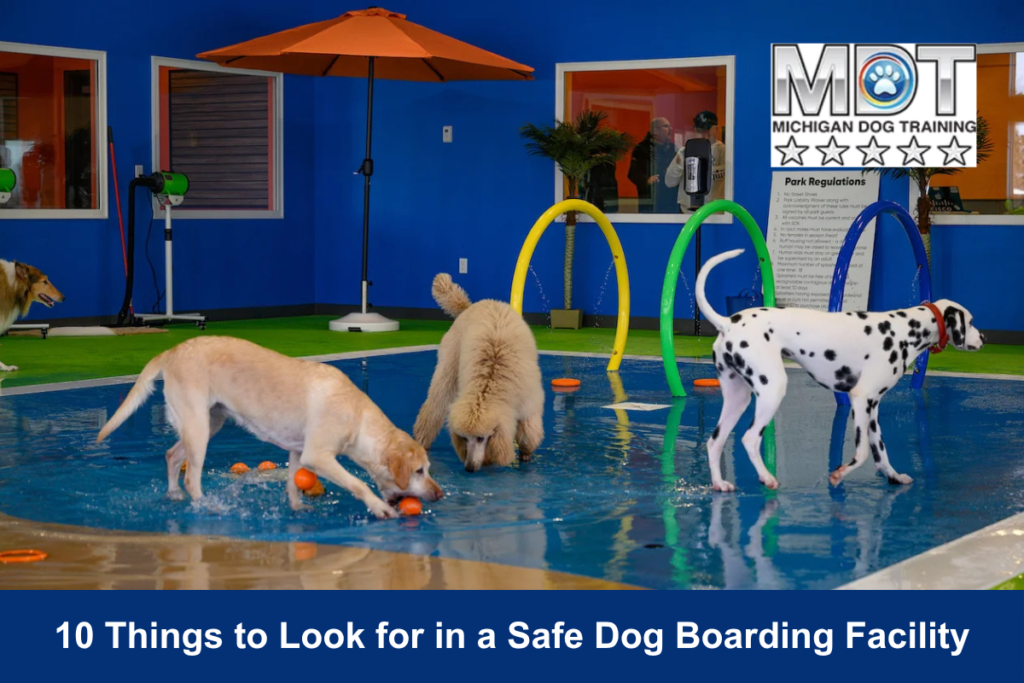
A safe dog boarding facility should offer clean, secure spaces, trained staff, proper supervision, emergency procedures, and safe play areas. It should also verify vaccinations, provide regular exercise, maintain good hygiene, and communicate clearly with pet owners.
Introduction
Leaving your dog at a boarding facility can feel stressful, especially when you want to make sure your furry friend is safe, comfortable, and well cared for. Choosing the right facility involves more than finding a convenient location or affordable price. You need to consider cleanliness, staff experience, security, supervision, exercise routines, emergency procedures, and overall care standards. A reliable dog boarding facility should create a welcoming environment where dogs can relax while receiving proper attention throughout their stay. Therefore, knowing what to look for before making a reservation can help you avoid potential problems. Here are ten important things to consider when choosing a safe dog boarding facility for your pet.
1. Start With a Clean and Well-Maintained Facility
Cleanliness should be one of the first things you notice when visiting a potential Pet boarding facility. Dogs can easily spread dirt, hair, bacteria, and odors throughout their living spaces, so reputable facilities should have clear cleaning and sanitation routines. Floors, kennels, play areas, food bowls, bedding, and common spaces should receive regular attention. A facility does not have to smell like a hospital, but strong odors, overflowing waste bins, dirty water bowls, or visibly neglected areas should make you pause.
Additionally, ask how often staff clean individual sleeping areas and what products they use. Proper cleaning should remove waste while minimizing exposure to harsh chemicals that could irritate dogs. Good ventilation also matters because fresh airflow can help control odors and create a healthier environment. Take a look at the outdoor areas, too. Secure play yards should remain reasonably clean and free of hazards such as broken fencing, sharp objects, standing water, or damaged equipment. If employees consistently maintain the property, that attention to detail often reflects how carefully they handle other aspects of pet care.
2. Check the Security and Physical Setup
A safe Dog kennel facility should have strong security measures that protect dogs from escaping, getting injured, or entering unsafe areas. During your visit, carefully inspect the facility and consider these important points:
- Secure doors and gates: Look for sturdy doors, reliable latches, and double-gated entrances to reduce escape risks.
- Strong fencing: Make sure fences are durable, properly maintained, and free from gaps or weak spots.
- Safe kennel areas: Check that sleeping spaces are secure, comfortable, and free from hazards.
- Proper dog separation: Ask how staff separate dogs based on size, age, temperament, and energy level.
- Supervised interaction: Find out how employees determine which dogs can safely participate in group play.
- Controlled access: Limited access to the facility can help prevent unauthorized people or animals from entering.
- Security cameras: Cameras can provide an additional layer of monitoring and help staff respond quickly to problems.
- Adequate staff presence: Make sure trained employees are available to supervise dogs and respond to emergencies.
3. Meet the Staff and Ask About Their Experience
A beautiful facility means little if the people caring for your dog are inexperienced or inattentive. During your visit, observe how staff interact with the dogs and whether they remain patient, attentive, and comfortable. Ask about their training and experience with canine behavior, safe handling, feeding, and recognizing signs of illness, fear, or stress. Also, find out how many employees supervise dogs during busy periods. A professional Pet care facility should prioritize trained staff, proper supervision, and compassionate care.
4. Ask How Dogs Are Supervised During Playtime
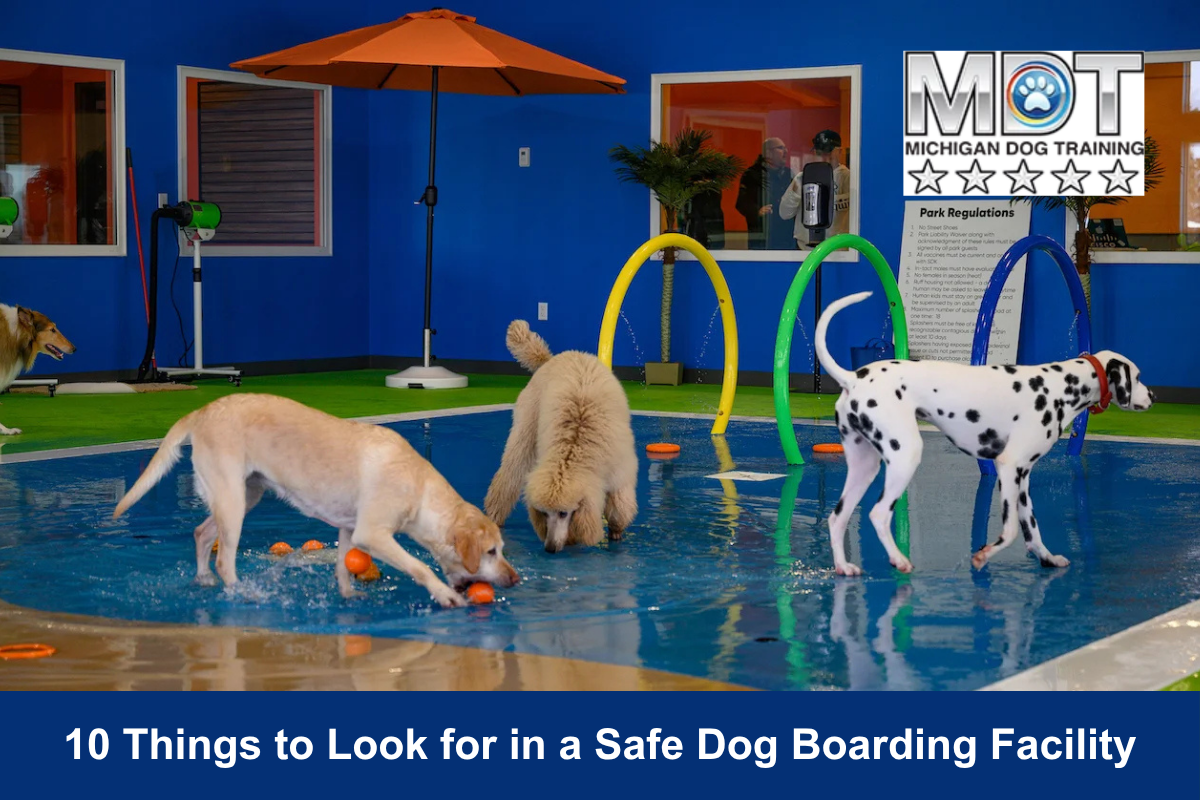
Playtime can be one of the best parts of Dog lodging, but it also creates opportunities for conflict or injury if employees do not supervise properly. Ask whether dogs participate in group play, individual play, or a combination of both. More importantly, find out how the staff determines which dogs can safely interact.
Good supervision involves more than simply allowing dogs to run around together. Employees should monitor body language and step in when play becomes too rough, or a dog appears uncomfortable. Dogs should also have opportunities to rest between activities. Some dogs become overwhelmed by constant noise, unfamiliar people, or large groups. A facility that offers quiet time and individual attention can help reduce stress. If your dog prefers people over other dogs, ask whether staff can provide one-on-one walks or play sessions. A flexible approach is usually better than a one-size-fits-all routine.
5. Review Feeding, Medication, and Daily Care Procedures
Your dog’s routine should continue as closely as possible while you are away. Ask the facility how it handles meals, treats, dietary restrictions, and medication. Ideally, staff should follow written instructions instead of relying on memory. You should be able to provide details about meal portions, feeding times, allergies, supplements, and medications.
Medication procedures deserve particular attention. If your dog takes medication, ask who administers it, how doses are recorded, and what happens if your dog refuses a dose. Likewise, provide clear written instructions and enough medication for the entire stay, plus an appropriate backup supply if the facility recommends one. Discuss your dog’s normal bathroom, walking, and sleeping routines as well. The more accurately staff understand your dog’s habits, the easier it becomes for them to notice unusual behavior. Consistent routines can also help dogs settle into an unfamiliar environment.
6. Make Sure the Facility Has an Emergency Plan
Nobody expects an emergency, but responsible Dog boarding services should always have a clear plan in place. Ask how staff handle injuries, sudden illnesses, severe weather, fires, and power outages. Find out whether they work with a nearby veterinarian and how quickly medical care can be provided. Also, confirm evacuation procedures, emergency contacts, transportation arrangements, and temporary housing plans. Providing updated contact and veterinary information can offer valuable peace of mind.
7. Look for Individualized Care, Not Just Basic Boarding
Every dog has a different personality. One may happily spend the day playing with other dogs, while another may prefer a quiet nap and a leisurely walk with a staff member. Therefore, a good Dog boarding facility should recognize that dogs have individual needs.
Ask whether the facility creates care notes for each guest. These notes might include personality traits, fears, favorite activities, feeding instructions, exercise preferences, and behavior around other animals. Individualized care becomes particularly important for puppies, senior dogs, anxious dogs, or pets with special routines. The facility should also ask you questions rather than simply handing you a form and sending you on your way. A thoughtful intake conversation shows that staff wants to understand your dog before their stay begins. That extra effort can make the experience much more comfortable for everyone.
8. Understand the Exercise and Enrichment Routine
Dogs need more than food and a safe place to sleep. Regular movement and mental stimulation can help them remain comfortable and engaged during boarding. Ask what a typical day looks like. How often do dogs go outside? Do they receive walks? Is there supervised play? Are there quiet activities or enrichment options?
A strong Pet boarding facility should provide an appropriate balance between activity and rest. Too little exercise can leave energetic dogs frustrated, while too much stimulation can overwhelm nervous pets. Enrichment can include sniffing opportunities, puzzle toys, basic training games, one-on-one interaction, and supervised exploration. However, activities should always match the individual dog’s temperament and physical abilities. Before boarding, tell staff what activities your dog enjoys and which ones they should avoid. This information helps employees build a routine that feels familiar instead of disruptive.
9. Read Policies, Reviews, and Boarding Requirements Carefully
Before booking, review vaccination requirements, cancellation policies, fees, pickup procedures, and emergency rules. Read online reviews for consistent feedback about cleanliness, safety, communication, and staff responsiveness. However, do not rely only on ratings. Tour the facility, speak with staff, and consider a short trial stay to ensure your dog feels comfortable before a longer visit.
10. Before You Book: Use This Quick Safety Checklist
Before making your final decision, review the facility’s services and prepare your dog carefully. Keep these important points in mind:
- Ask questions: Confirm details about cleanliness, security, staffing, exercise, feeding, medical care, emergencies, and communication.
- Update records: Make sure your dog’s vaccinations and health records meet the facility’s requirements.
- Pack essentials: Bring familiar food, medications, and approved comfort items to help your dog feel relaxed.
- Provide instructions: Share feeding routines, medication details, behavior notes, and updated emergency contacts.
- Try a short stay: If your dog has never boarded before, consider a trial stay before scheduling a longer visit.
11. Choose With Confidence and Give Your Dog a Safer Stay
Choosing a safe Dog boarding facility does not have to be overwhelming. When you look beyond fancy amenities and focus on cleanliness, security, experienced staff, supervision, individualized care, emergency preparation, and communication, you can make a much more informed decision. Most importantly, remember that the best facility is one that treats your dog as an individual rather than simply another boarding guest.
Take a tour, ask detailed questions, read the policies, and trust what you observe. A quality Dog kennel facility or Pet care facility should make you feel comfortable leaving your dog in its care. With the right preparation and careful research, you can enjoy your time away knowing your companion is staying in a secure, caring, and well-managed environment.
Final Thoughts
Choosing a safe dog boarding facility means looking beyond basic accommodations and focusing on your dog’s comfort, health, security, and overall well-being. A clean environment, trained staff, proper supervision, exercise opportunities, emergency plans, and clear communication can make boarding a more positive experience for both you and your pet. Before booking, take time to ask questions and visit the facility when possible. Proper training can also help your dog adjust confidently to new environments and routines. For reliable guidance on building good behavior and preparing your dog for boarding, consider working with Michigan Dog Training, where professional training can support a safer, smoother experience.
FAQS
Q: How can I tell if a dog boarding facility is safe?
A: Visit the facility before booking and inspect its cleanliness, fencing, gates, sleeping areas, play spaces, and overall organization. Ask about staff training, supervision, emergency procedures, veterinary care, and how dogs are grouped. A reputable facility should answer your questions openly and confidently.
Q: Should I tour a pet boarding facility before booking?
A: Yes. A personal tour can help you evaluate conditions that may not be obvious from a website or online review. It also allows you to meet staff and see how they interact with the dogs currently staying there.
Q: What should I ask about emergency veterinary care?
A: Ask which veterinarian or emergency clinic the facility uses, how quickly a dog can receive treatment, who contacts you during an emergency, and what authorization is required for veterinary care. Provide current emergency contact information and your veterinarian’s details.
Q: Is group play safe for every dog?
A: No. Some dogs enjoy group play, while others become stressed, fearful, or overly excited around unfamiliar dogs. Ask how staff evaluate temperament and decide which dogs can interact. Individual play and walks may be better choices for certain dogs.
Q: What should I pack for my dog’s boarding stay?
A: Follow the facility’s packing requirements, but common items may include your dog’s regular food, medications, feeding instructions, vaccination records, leash, and approved comfort items. Familiar belongings can help some dogs feel more relaxed in a new environment.
Q: How can I prepare my dog for boarding?
A: Start with short separations and gradually introduce your dog to new environments. If possible, arrange a brief trial boarding stay before a longer trip. Keep feeding and exercise routines consistent and provide staff with detailed information about your dog’s personality and habits.
Q: Are dog boarding services suitable for anxious dogs?
A: They can be, but the facility should offer individualized care and quiet spaces. Tell staff about your dog’s anxiety before booking. A facility that provides smaller play groups, individual attention, predictable routines, and appropriate rest periods may be a better fit.